


Bearing Revolving Speed
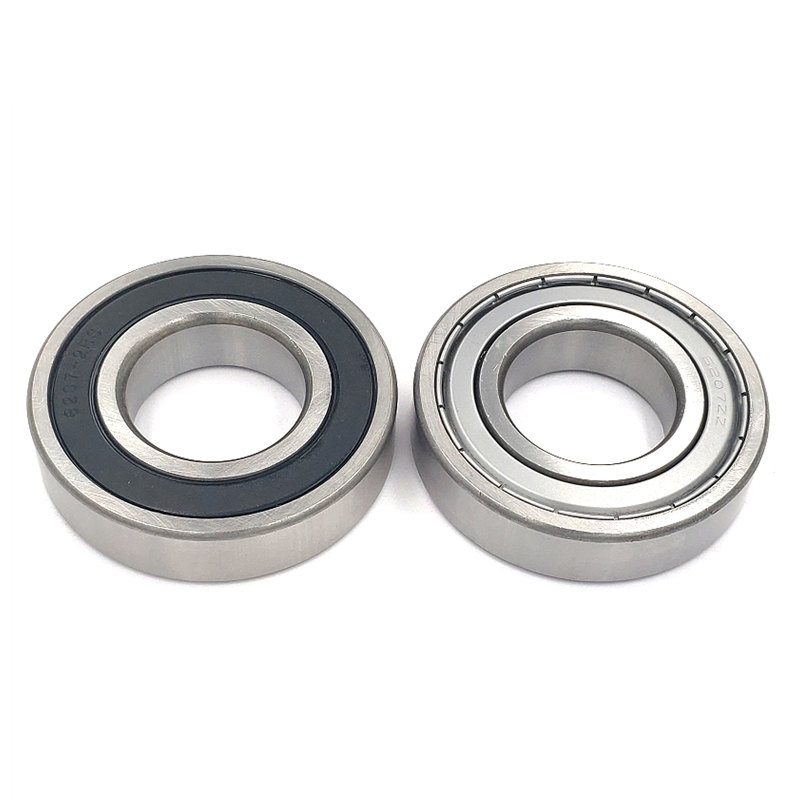
Bearing Revolving Speed Introduction:
Bearing revolving speed plays a key role in bearing temperature rise.
Each bearing model number has its own limit speed. It is up to its physical characteristics such as size, type, and structure.
The limiting speed refers to the max operating speed of the bearing (usually r/min).
Exceeding this limit will cause the bearing temperature to rise, the lubricant to dry up, and even the bearing to jam.
The speed range required by the application can help to determine what type of bearing to use. Practice has proved that it is better to work at a state lower than 90% of the limit speed.
Factors Affecting Revolving Speed:
1. Ball bearings have higher limit speed and rotation accuracy than roller bearings, so users should use ball bearings at high speeds occasions.
2. Under the condition of the same inner diameter, the smaller the outer diameter, the smaller the rolling elements, and the smaller the centrifugal inertia force of the rolling elements on the foreign raceway during operation, so it is suitable for working at higher speeds. . Therefore, at high speeds, bearings with smaller outer diameters in the same diameter series should be used. If a bearing with a smaller outer diameter is not up to the required load capacity, the same bearing can be installed in parallel, or consider using a wider series of bearings.
3. The material and structure of the cage have a great influence on the bearing revoving speed. Solid cages allow higher speeds than stamped cages.
Conclusion:
Generally speaking, deep groove ball bearings, angular contact bearings(for example 7940CDB), and cylindrical roller bearings are suit for higher speed working occasions.
For lower speed working occasions, tapered roller bearings can be take into consideration.
The limiting speed of tapered roller bearings is generally about 65% of deep groove ball bearings, 70% of cylindrical roller bearings, and 60% of angular contact ball bearings.
Thrust ball bearings have a low limit speed and only suitable for lower speed occasions.
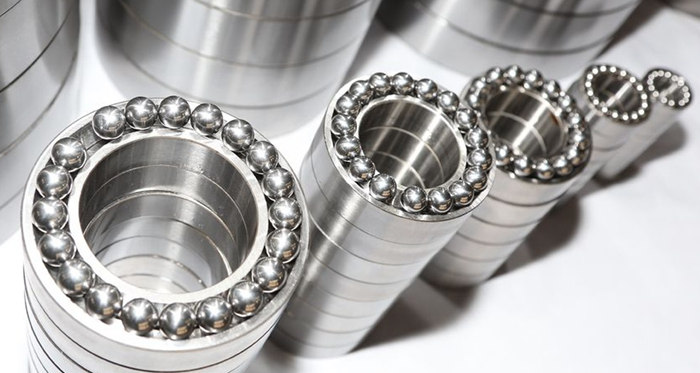
Contact Us:
If you have any questions about Bearing Revolving Speed, pls feel free to contact us. We will give you reply within 12 hours!
Questions that help before the next bearing decision after Bearing Revolving Speed
Which next options usually help after reviewing Bearing Revolving Speed?
Most buyers benefit from one broader family destination, one more commercial route, and one supporting guide that answers the next practical question. That combination usually turns research into a clearer shortlist.
Why add related bearing destinations beside Bearing Revolving Speed?
Because the first answer often leads to a second question about fit, applications, supplier choice, or repeat-order confidence. Keeping those next destinations close reduces unnecessary backtracking.
When is it worth moving from reading into a quote or product review?
That move usually makes sense once the topic has narrowed the likely bearing family and the remaining unknowns are commercial, dimensional, or application-specific rather than purely educational.
What usually makes the next bearing decision easier after Bearing Revolving Speed?
The process is often easier when the wider family view, the more commercial destination, and one practical guide stay visible together. That keeps the decision grounded in both application detail and buying reality.
Buyer FAQ
Questions buyers ask before choosing the next bearing option
What is the main takeaway from Bearing Revolving Speed?
The main takeaway is that bearing revolving speed should be checked against the bearing family, dimensions, load direction, speed, and operating conditions instead of relying on the title or size alone.
When should I use this guide before requesting a quote?
Use the guide when you are comparing bearing models, checking suffix meanings, confirming seal or clearance choices, planning maintenance, or preparing details for replacement, production, or OEM sourcing.
How does this topic connect to bearing supply?
The topic supports the Bearing Supply decision path by helping buyers understand fit, performance, specification details, or maintenance factors before choosing a product page or contacting the team.
Can this guide replace a final specification check?
No. The guide helps prepare the decision, but a final check should still confirm the part number, dimensions, load, speed, seal, clearance, precision, application, and order quantity.
What should I send if I need help after reading this guide?
Send the bearing number, measured size, photos if available, application, quantity, and any special operating conditions. That gives the team enough context to recommend the right product family or quote route.
Need help checking fit, price, or lead time? Request a bearing quote