


What Is the Purpose of an Adapter Sleeve?
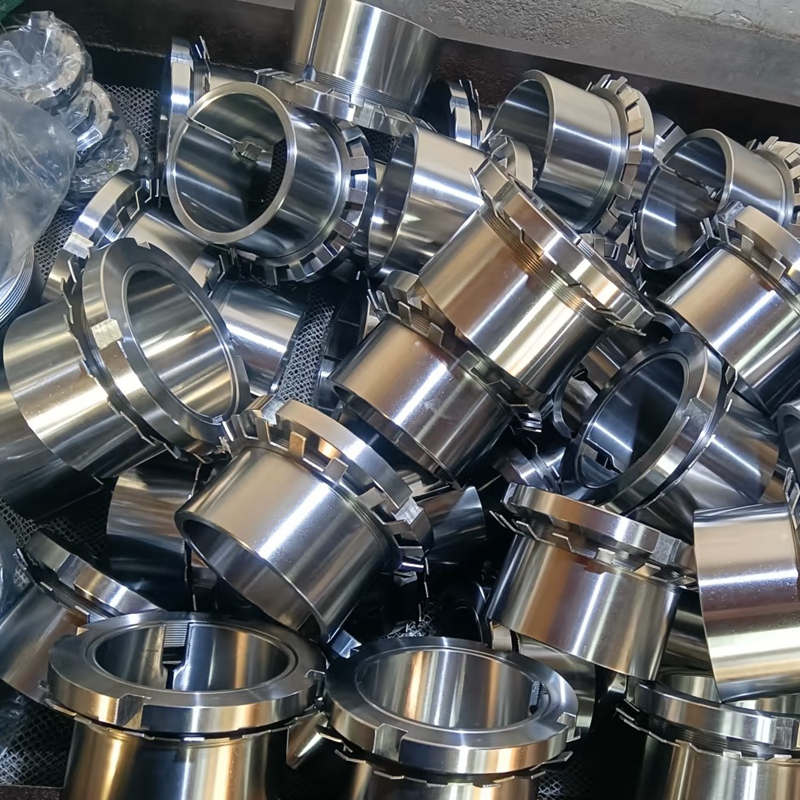
Adapter Sleeve Introduction:
Adapter sleeve plays a vital role in many mechanical and engineering applications. Its primary purpose is to facilitate a secure and precise connection between a shaft and a mounted component, such as a bearing or hub. When used correctly, an adapter sleeve ensures smooth operation and extends the lifespan of the machinery.
Key Functions and Benefits:
One key purpose of an adapter sleeve (eg: H2324, H322) is to compensate for size differences between the shaft and the bore of the mounted component. Often, the bore size of a bearing or hub does not match the shaft diameter exactly. An adapter sleeve adapts the bore to fit the shaft perfectly, enabling a snug and secure fit. This precise fit minimizes vibrations and prevents slippage during operation.
Another important function of an adapter sleeve is to simplify installation. Instead of needing multiple components or custom parts, users can rely on standard sleeves to adapt various sizes quickly and efficiently. This flexibility allows for easier maintenance and reduces downtime, saving both time and costs.
Additionally, an adapter sleeve provides stability and support during high-speed or high-torque operations. By ensuring proper alignment, it helps distribute loads evenly, reducing unnecessary wear and tear on machine parts. This stability enhances the overall performance and reliability of the machinery.
How to Install an Adapter Sleeve Correctly?
Proper installation is crucial to ensure optimal performance and longevity of your machinery. Follow these steps to install an adapter sleeve correctly:
- Select the Right Size and Type: Ensure you choose the correct size and type based on the shaft diameter and the bore size of the component you are attaching.
- Inspect the Components: Before installation, clean both the shaft and the sleeve thoroughly. Remove any dirt, dust, or debris that could affect the fit.
- Align the Components: Position the adapter sleeve onto the shaft, making sure it is aligned properly. Use proper tools or fixtures to avoid misalignment.
- Slide the Sleeve onto the Shaft: Gently slide the sleeve onto the shaft, ensuring it fits snugly without forcing. Use a suitable press or hand force, avoiding any impact loads that could deform the sleeve.
- Secure the Sleeve: Tighten the locking mechanism (such as a set screw or locking collar) to secure the sleeve in place. Ensure the locking device is torqued to the manufacturer’s specifications.
- Attach the Mounted Component: Slide the bearing or hub onto the sleeve. Make sure it seats properly and is aligned correctly.
- Final Checks: Verify the assembly for secure fit, proper alignment, and smooth rotation. Rotate the shaft freely to check for any resistance or misalignment.
Maintenance Tips:
Maintaining your adapter sleeves and related components is vital to prevent unexpected failures and extend the lifespan of your machinery. Follow these key tips:
- Regular Inspection: Check the adapter sleeves periodically for signs of wear, corrosion, or damage. Look for any looseness or abnormal movement.
- Ensure Proper Lubrication: Some adapter sleeves or locking mechanisms may require lubrication. Use the recommended lubricants and apply them as per manufacturer guidelines to prevent corrosion and facilitate smooth operation.
- Keep Components Clean: Keep the sleeves and surrounding parts clean and free from dust, dirt, and debris. Regular cleaning helps prevent grime buildup that can lead to wear.
- Monitor for Wear and Damage: Replace worn or damaged sleeves immediately. Use non-destructive testing methods if necessary to assess internal wear that may not be visible externally.
- Check Locking Devices: Ensure set screws, collars, or locking rings are tight and secure. Loose locking devices can cause misalignment or slippage.
- Proper Storage: Store unused adapter sleeves in a clean, dry environment to prevent rust and corrosion.
- Follow Manufacturer Recommendations: Always adhere to the specific maintenance schedules and guidelines provided by the manufacturer for your particular adapter sleeve model.
Questions buyers still ask while reviewing What Is the Purpose of an Adapter Sleeve?
Which next options usually help after reviewing What Is the Purpose of an Adapter Sleeve??
Most buyers benefit from one broader family destination, one more commercial route, and one supporting guide that answers the next practical question. That combination usually turns research into a clearer shortlist.
Why add related bearing destinations beside What Is the Purpose of an Adapter Sleeve??
Because the first answer often leads to a second question about fit, applications, supplier choice, or repeat-order confidence. Keeping those next destinations close reduces unnecessary backtracking.
When is it worth moving from reading into a quote or product review?
That move usually makes sense once the topic has narrowed the likely bearing family and the remaining unknowns are commercial, dimensional, or application-specific rather than purely educational.
What usually makes the next bearing decision easier after What Is the Purpose of an Adapter Sleeve??
The process is often easier when the wider family view, the more commercial destination, and one practical guide stay visible together. That keeps the decision grounded in both application detail and buying reality.
Buyer FAQ
Questions buyers ask before choosing the next bearing option
What is the main takeaway from What Is the Purpose of an Adapter Sleeve??
The main takeaway is that what is the purpose of an adapter sleeve? should be checked against the bearing family, dimensions, load direction, speed, and operating conditions instead of relying on the title or size alone.
When should I use this guide before requesting a quote?
Use the guide when you are comparing bearing models, checking suffix meanings, confirming seal or clearance choices, planning maintenance, or preparing details for replacement, production, or OEM sourcing.
How does this topic connect to bearing supply?
The topic supports the Bearing Supply decision path by helping buyers understand fit, performance, specification details, or maintenance factors before choosing a product page or contacting the team.
Can this guide replace a final specification check?
No. The guide helps prepare the decision, but a final check should still confirm the part number, dimensions, load, speed, seal, clearance, precision, application, and order quantity.
What should I send if I need help after reading this guide?
Send the bearing number, measured size, photos if available, application, quantity, and any special operating conditions. That gives the team enough context to recommend the right product family or quote route.
Need help checking fit, price, or lead time? Request a bearing quote