


What is a Wheel Bearing with ABS
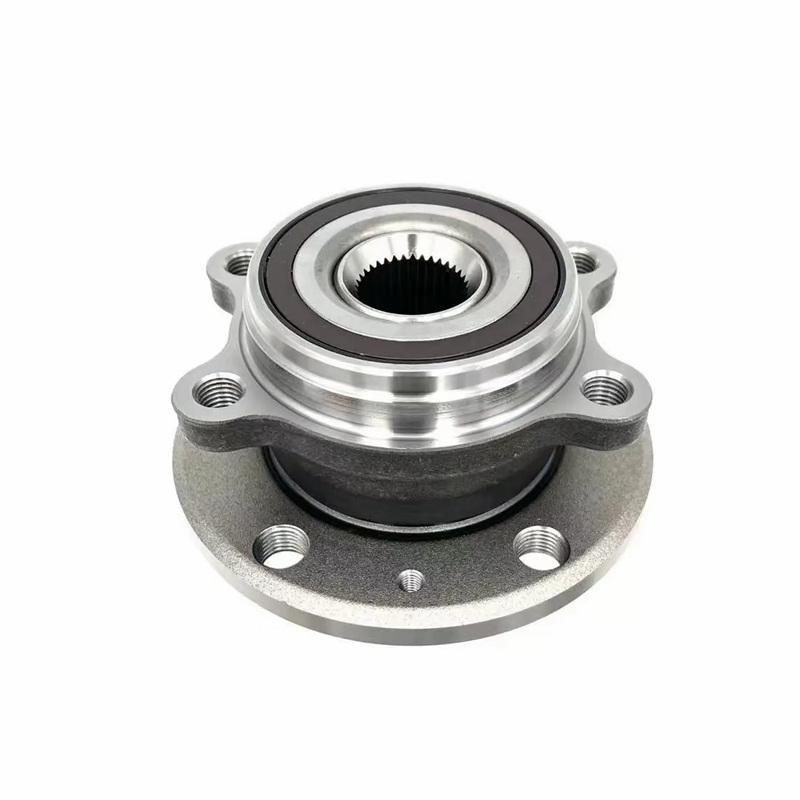
Wheel Bearing with ABS – What Is It and Why Is It Important?
Wheel bearing with ABS is a vital component in modern vehicles, combining the functionality of a traditional wheel bearing with the advanced safety features of an Anti-lock Braking System (ABS). This innovative part ensures smooth wheel rotation while enhancing braking performance and vehicle safety.
Without wheel bearings, your car’s wheels wouldn’t rotate freely, leading to increased friction and wear. When integrated with ABS, the wheel bearing becomes even more critical, as it works alongside the ABS sensor to monitor wheel speed and prevent skidding during sudden braking. This combination enhances driving control and ensures a safer driving experience.
How Does ABS Work?
ABS prevents the wheels from locking up during hard braking by using sensors to monitor wheel speed. When the system detects that a wheel is about to lock, it quickly reduces and reapplies brake pressure multiple times per second. This process allows the driver to maintain control of the vehicle and avoid skidding, especially on slippery surfaces.
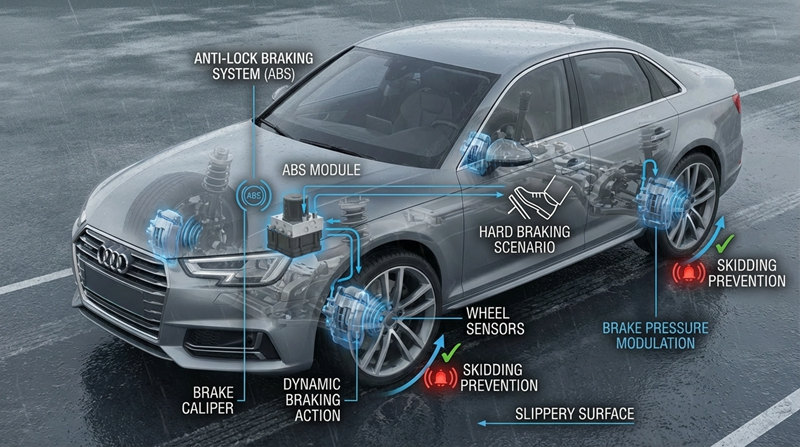
Benefits of ABS:
Improved Safety: ABS reduces the risk of accidents by maintaining traction and steering control during emergency braking.
Shorter Braking Distance: On slippery roads, ABS can help reduce the distance required to come to a complete stop.
Better Vehicle Stability: ABS ensures that the vehicle remains stable and does not skid or spin out during braking.
Increased Tire Lifespan: By preventing wheel lock-up, ABS reduces uneven tire wear and prolongs tire life.
How to Maintain a Wheel Bearing with ABS?
Proper maintenance is crucial for the longevity and performance of your wheel bearing with ABS. Here are some tips:
- Inspect the wheel bearings regularly for signs of wear, rust, or damage.
- Keep the area around the wheel hub clean to prevent debris from affecting the ABS sensor.
- Avoid overloading your vehicle, as excessive weight can strain the wheel bearings.
- Listen for unusual noises or vibrations while driving, as these could indicate a problem with the bearing.
- Replace damaged or worn-out bearings immediately to avoid further damage to your vehicle.
When to Replace Your Wheel Bearing with ABS?
You should consider replacing your wheel bearing with ABS if you notice any of the following signs:
- Grinding, humming, or rumbling noises coming from the wheels.
- Uneven tire wear, which could indicate a faulty bearing.
- Difficulty in steering or a loose steering wheel.
- ABS warning light on your dashboard.
If you experience any of these issues, consult a professional mechanic to inspect and replace the bearing if necessary.
Questions that help before the next bearing decision after What is a Wheel Bearing with ABS
Which next options usually help after reviewing What is a Wheel Bearing with ABS?
Most buyers benefit from one broader family destination, one more commercial route, and one supporting guide that answers the next practical question. That combination usually turns research into a clearer shortlist.
Why add related bearing destinations beside What is a Wheel Bearing with ABS?
Because the first answer often leads to a second question about fit, applications, supplier choice, or repeat-order confidence. Keeping those next destinations close reduces unnecessary backtracking.
When is it worth moving from reading into a quote or product review?
That move usually makes sense once the topic has narrowed the likely bearing family and the remaining unknowns are commercial, dimensional, or application-specific rather than purely educational.
What usually makes the next bearing decision easier after What is a Wheel Bearing with ABS?
The process is often easier when the wider family view, the more commercial destination, and one practical guide stay visible together. That keeps the decision grounded in both application detail and buying reality.
Buyer FAQ
Questions buyers ask before choosing the next bearing option
What is the main takeaway from What is a Wheel Bearing with ABS?
The main takeaway is that what is a wheel bearing with abs should be checked against the bearing family, dimensions, load direction, speed, and operating conditions instead of relying on the title or size alone.
When should I use this guide before requesting a quote?
Use the guide when you are comparing bearing models, checking suffix meanings, confirming seal or clearance choices, planning maintenance, or preparing details for replacement, production, or OEM sourcing.
How does this topic connect to bearing supply?
The topic supports the Bearing Supply decision path by helping buyers understand fit, performance, specification details, or maintenance factors before choosing a product page or contacting the team.
Can this guide replace a final specification check?
No. The guide helps prepare the decision, but a final check should still confirm the part number, dimensions, load, speed, seal, clearance, precision, application, and order quantity.
What should I send if I need help after reading this guide?
Send the bearing number, measured size, photos if available, application, quantity, and any special operating conditions. That gives the team enough context to recommend the right product family or quote route.
Need help checking fit, price, or lead time? Request a bearing quote