


Blog
Single Row Taper Roller Bearing Installation Tips
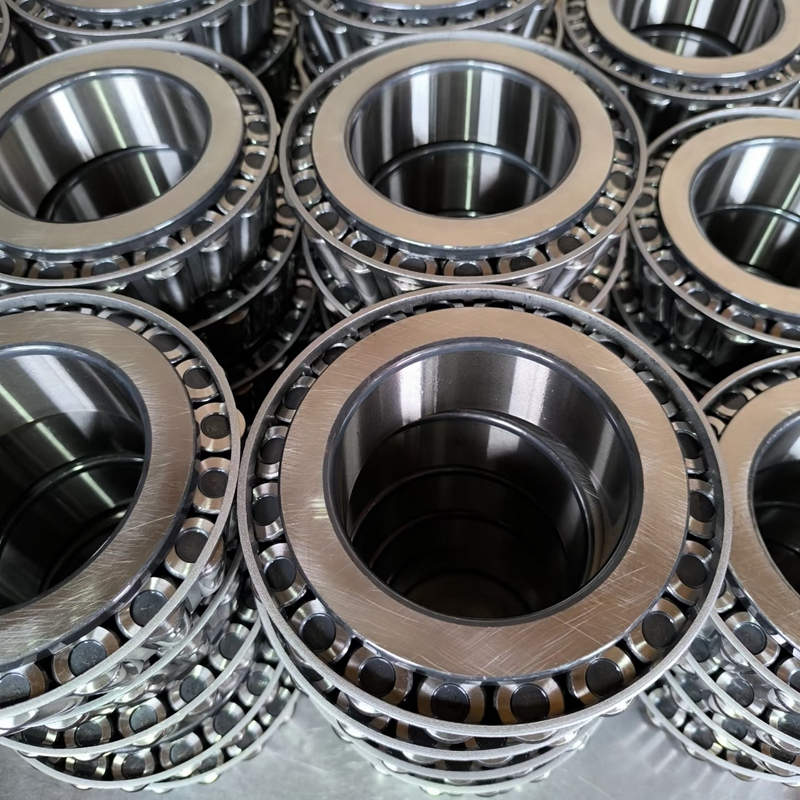
Single Row Taper Roller Bearing Installation Introduction:
Single Row Taper Roller Bearing Installation Overview: Single row taper roller bearings are essential components in various mechanical systems. Their design allows for handling both radial and axial loads, making them versatile.
Importance of Proper Installation: Correct installation is crucial to ensure optimal performance, minimize wear and tear, and extend the lifespan of the bearing. A well-installed bearing prevents failures that can lead to costly downtime and maintenance.
Understanding Single Row Taper Roller Bearings:
Definition and Components: Taper roller bearings feature a design that includes tapered inner and outer raceways in conjunction with tapered rollers. This unique configuration enables line contact, which enhances load distribution efficiency by allowing the bearings to effectively accommodate both radial and axial loads. As a result, taper roller bearings are ideal for applications requiring high load capacity and durability, making them a preferred choice in various mechanical systems.
Common Applications and Benefits: These bearings are widely used in automotive systems, industrial machinery, and heavy equipment due to their ability to carry heavy loads, reduce friction, and enhance performance in dynamic conditions.
Tools and Materials Needed:
List of Necessary Tools: Include items like bearing pullers, hydraulic presses, torque wrenches, and impact sockets, highlighting their importance for efficient installation.
Recommended Lubricants and Cleaning Supplies: Discuss appropriate lubricants (e.g., lithium-based grease or oil) and cleaning agents, emphasizing the need for high-quality products to ensure optimal bearing performance and longevity.
Preparation for Installation:
1. Inspect the Bearing and Housing for Damage: Look for any signs of wear, surface damage, or contamination that could affect performance.
2. Ensure Cleanliness of the Installation Area: A clean workspace prevents dirt and debris from contaminating the bearing during installation, which can lead to premature failure.
3. Check Shaft and Housing Dimensions for Compatibility: Verify that both the shaft and housing meet the manufacturer’s specifications, ensuring a proper fit for the bearing to function effectively.
Steps for Installation:
1: Proper Alignment of the Bearing and Housing: Ensure that the bearing is aligned correctly in both the radial and axial directions to prevent uneven wear.
2: Applying Lubricant to the Bearing: Use the recommended lubricant generously on both the bearing and the housing to reduce friction during startup and operation.
3: Installing the Outer and Inner Races: Carefully place and seat the inner and outer races to avoid distortion, ensuring they fit snugly without obstruction.
4: Pressing in the Bearing (if applicable): If pressing is required, apply even force to avoid damage, using a bearing press or similar tool.
5: Securing the Bearing in Place with Appropriate Fasteners: Use the correct fasteners and torque settings as specified by the manufacturer, ensuring a secure installation that can handle operational loads.
Common Installation Mistakes to Avoid:
1. Misalignment Issues: Highlight the consequences of misalignment, such as increased wear and potential failure, emphasizing the importance of careful alignment.
2. Over-tightening or Under-tightening: Discuss how improper torque can lead to bearing damage or looseness, affecting performance and safety.
3. Ignoring Lubrication Requirements: Stress the significance of following lubrication guidelines to prevent overheating, friction, and premature bearing degradation.
Post-Installation Checks:
1. Inspecting for Proper Fit and Alignment: Confirm the bearing fits snugly within the housing and aligns perfectly with the shaft. Look for any visible gaps or misalignments that could lead to uneven wear.
2. Checking for Smooth Rotation and Noise: Slowly rotate the bearing by hand. Listen for any abnormal noises, such as grinding or clicking, which may indicate issues with the installation or bearing condition.
3. Ensuring Adequate Lubrication: Verify that the bearing has sufficient lubrication. Apply the recommended lubricant if necessary, ensuring all moving parts are well-coated to prevent friction and overheating during operation.
Questions buyers still ask while reviewing Single Row Taper Roller Bearing Installation Tips
Which next options usually help after reviewing Single Row Taper Roller Bearing Installation Tips?
Most buyers benefit from one broader family destination, one more commercial route, and one supporting guide that answers the next practical question. That combination usually turns research into a clearer shortlist.
Why add related bearing destinations beside Single Row Taper Roller Bearing Installation Tips?
Because the first answer often leads to a second question about fit, applications, supplier choice, or repeat-order confidence. Keeping those next destinations close reduces unnecessary backtracking.
When is it worth moving from reading into a quote or product review?
That move usually makes sense once the topic has narrowed the likely bearing family and the remaining unknowns are commercial, dimensional, or application-specific rather than purely educational.
What usually makes the next bearing decision easier after Single Row Taper Roller Bearing Installation Tips?
The process is often easier when the wider family view, the more commercial destination, and one practical guide stay visible together. That keeps the decision grounded in both application detail and buying reality.
Buyer FAQ
Questions buyers ask before choosing the next bearing option
What is the main takeaway from Single Row Taper Roller Bearing Installation Tips?
The main takeaway is that single row taper roller bearing installation tips should be checked against the bearing family, dimensions, load direction, speed, and operating conditions instead of relying on the title or size alone.
When should I use this guide before requesting a quote?
Use the guide when you are comparing bearing models, checking suffix meanings, confirming seal or clearance choices, planning maintenance, or preparing details for replacement, production, or OEM sourcing.
How does this topic connect to taper roller bearings?
The topic supports the Taper Roller Bearings decision path by helping buyers understand fit, performance, specification details, or maintenance factors before choosing a product page or contacting the team.
Can this guide replace a final specification check?
No. The guide helps prepare the decision, but a final check should still confirm the part number, dimensions, load, speed, seal, clearance, precision, application, and order quantity.
What should I send if I need help after reading this guide?
Send the bearing number, measured size, photos if available, application, quantity, and any special operating conditions. That gives the team enough context to recommend the right product family or quote route.
Need help checking fit, price, or lead time? Request a bearing quote