CRL44 Bearing Datasheet:
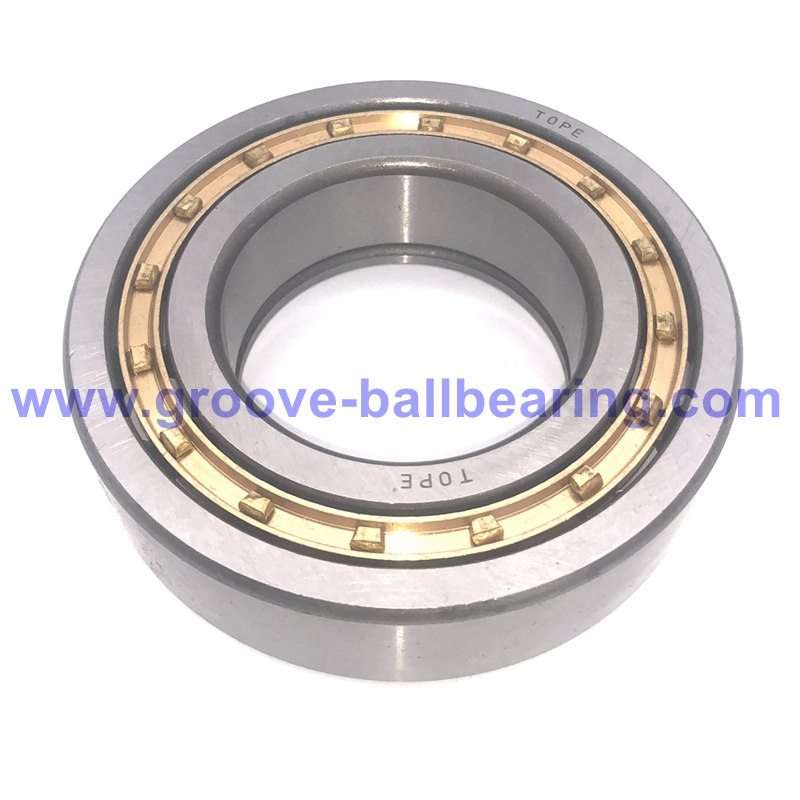
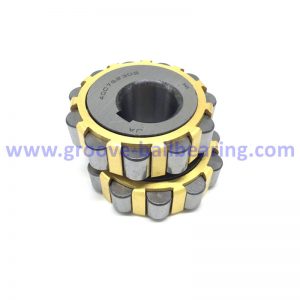
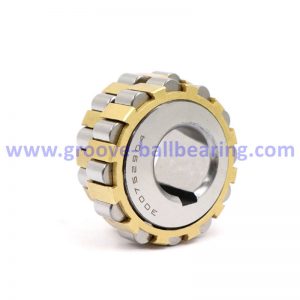
CRL44 bearing is a cylindrical roller bearing in imperial dimensions.
Detailed specifications for the bearing are as follows:
Inner Diameter: 139.70mm/ 5.5 in
Outer Diameter: 241.30mm/ 9.5 in
Width: 34.925mm/ 1.375 in
Mass: 6.86kg/ 15.124lb
Cage Material: brass
Rings & Rollers Material: bearing steel
Hardness: 58-65 HRC
Warranty: 1 year
Shields: open without shields
Radial Internal Play: standard CN
Replacements: CLR 44, RLS23.1/2, RLS 23.1/2, LRJ5.1/2E, LRJ 5.1/2E
Range of Available Inch Series Bearings:
| CRL 5 | RLS 7 | MRJ1/2 | CRM 4 | RMS 5 |
| CRL 6 | RLS 8 | MRJ5/8 | CRM 5 | RMS 7 |
| CRL 7 | RLS 9 | MRJ3/4 | CRM 6 | RMS 8 |
| CRL 8 | RLS 10 | MRJ7/8 | CRM 7 | RMS 9 |
| CRL 9 | RLS 11 | MRJ1 | CRM 8 | RMS 10 |
| CRL 10 | RLS 12 | MRJ1 1/8 | CRM 9 | RMS 11 |
| CRL 11 | RLS 12.1/2 | MRJ1 1/4 | CRM 10 | RMS 12 |
| CRL 12 | RLS 13 | MRJ1 3/8 | CRM 11 | RMS 12 1/2 |
| CRL 13 | RLS 13.1/2 | MRJ1 1/2 | CRM 12 | RMS 13 |
| CRL 14 | RLS 14 | MRJ1 5/8 | CRM 13 | RMS 13 1/2 |
| CRL 15 | RLS 14.1/2 | MRJ1 3/4 | CRM 14 | RMS 14 |
| CRL 16 | RLS 15 | MRJ1 7/8 | CRM 15 | RMS 14 1/2 |
| CRL 18 | RLS 16 | MRJ2 | CRM 16 | RMS 15 |
| CRL 20 | RLS 17 | MRJ2 1/4 | CRM 18 | RMS 16 |
| CRL 22 | RLS 18 | MRJ2 1/2 | CRM 20 | RMS 17 |
| CRL 24 | RLS 19 | MRJ2 3/4 | CRM 22 | RMS 18 |
| CRL 26 | RLS 19.1/2 | MRJ3 | CRM 24 | RMS 19 |
| CRL 28 | RLS 20 | MRJ3 1/4 | CRM 26 | RMS 19 1/2 |
| CRL 30 | RLS 20 1/2 | MRJ3 3/8 | CRM 27 | RMS 19 3/4 |
| CRL 32 | RLS 21 | MRJ3 1/2 | CRM 28 | RMS 20 |
| CRL 34 | RLS 21.1/2 | MRJ3 3/4 | CRM 30 | RMS 20 1/2 |
| CRL 36 | RLS 22 | MRJ4 | CRM 32 | RMS 21 |
| CRL 38 | RLS 22.1/2 | MRJ4 1/4 | CRM 34 | RMS 21 1/2 |
| CRL 40 | RLS 23 | MRJ4 1/2 | CRM 36 | RMS 22 |
| CRL 44 | RLS 23.1/2 | MRJ4 3/4 | CRM 38 | RMS 22 1/2 |
CRL44 Bearing Installation Guide:
1. Confirm part: Verify designation (CRL44 bearing), clearance class (e.g. Normal, C3), cage material, and any special features before opening sealed packaging.
2. Cleanliness: Work in a clean, dust‑free area. Wipe the shaft, housing bore, shoulders, and tools with lint‑free cloths. Any abrasive particle will shorten service life.
3. Dimensional checks: Measure shaft journal and housing bore with micrometers in several planes. Confirm they fall within the tolerance for the intended fit.
4. Handling: Keep the roller/cage assembly and rings together until just before mounting. Do not spin the bearing dry with compressed air. Support the full inner ring face when pressing; never transmit mounting force through the rollers.
5. Mounting: Often the inner ring is mounted on the shaft first (if it is a separable type and the roller/cage is retained with the outer ring, or vice versa depending on design). Heat the inner ring evenly using an induction heater or oil bath to about 80–100 °C (never exceed manufacturer limit, commonly 120 °C). Do not flame heat.
Questions buyers ask when CRL44 and RLS23 is still under review
When is CRL44 and RLS23 worth comparing against nearby cylindrical roller bearings options?
Comparison helps when dimensional fit is only part of the decision and load direction, sealing, clearance, speed, temperature, or repeat-order stability still need to be confirmed. Reviewing one or two nearby options early usually reduces sourcing mistakes later.
What details usually matter before approving CRL44 and RLS23 for repeat supply?
Buyers normally confirm the part reference, main dimensions, application, speed range, operating environment, sealing needs, and any packaging or marking requirements. That gives the supplier a cleaner basis for confirming availability and suitable alternatives.
Which next step usually helps after CRL44 and RLS23 is shortlisted?
A quick review of Cylindrical Roller Bearings, one more commercial destination, and one practical guide usually saves time. That combination helps separate simple replacement orders from jobs that still need fit or application review.
Why keep a supporting guide linked beside CRL44 and RLS23?
Because it makes later decisions faster. When sizing notes, application cues, and nearby options stay close to the product, engineering, purchasing, and maintenance teams can revisit the same logic without starting the review from zero.