


Bearing Limiting Speed
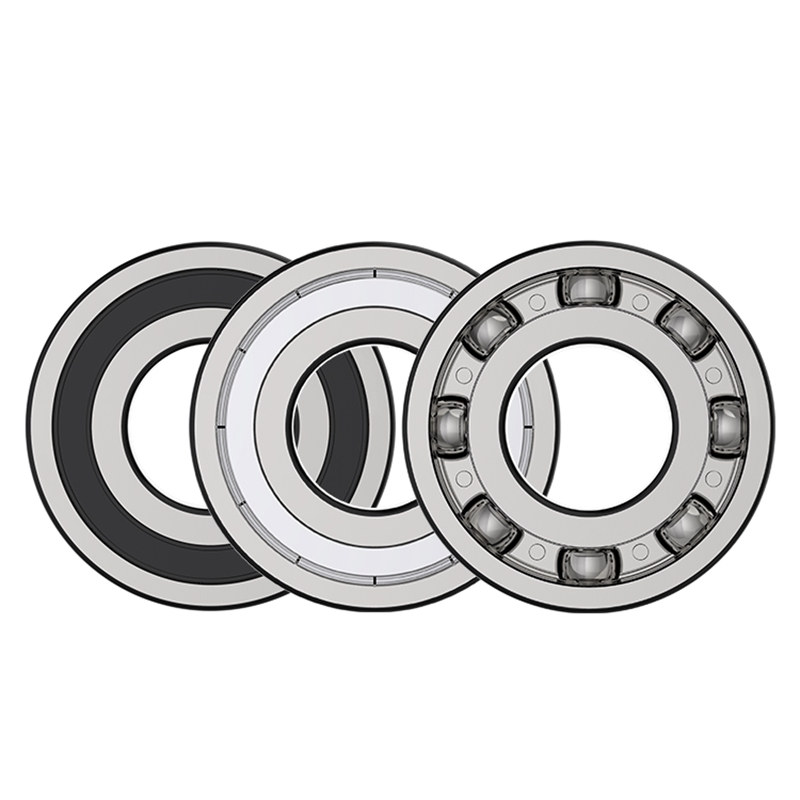
Bearing Limiting Speed Introduction:
Bearing limiting speed is the limit value of the speed at which it can rotate continuously without generating friction and heating that can cause burns.
The roation of bearings is mainly limited by the temperature rise caused by the frictional heating inside the bearing. When the speed exceeds a certain limit, the bearing will not continue to rotate due to burns, etc.
Therefore, the limiting speed of the bearing depends on various factors such as the type, size and accuracy of the bearing, the lubrication method, the quality and quantity of the lubricant, the material and type of the cage, and the load conditions.
The limit speeds of various types of bearings using grease lubrication and oil lubrication are listed in each bearing size table. The value indicates the limit value of the speed when the standard design bearing rotates under the general load condition (C/P≥13, Fa/Fr≤0.25).
Factors Which Affecting the Limit Speed:
1. Lubrication method
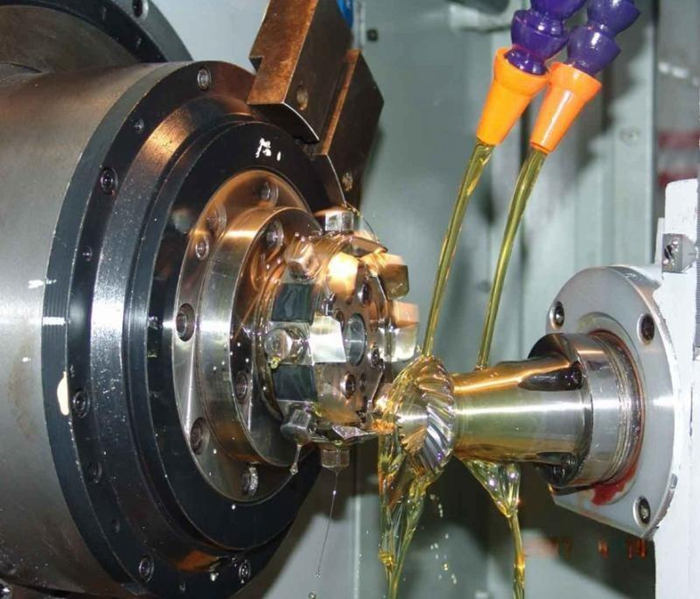
Bearings lubricated by oil-gas or oil mist can continuously supply a small amount of new lubricating oil to the bearing, effectively ensuring the thickness of the lubricating oil film of the bearing. In addition, the jet lubrication method can quickly take away the heat generated by the bearing operation due to the large amount of oil supply, and increase the limit speed of the bearing.
2. Bearing load
The max speed of the rolling bearing can reach the maximum speed under certain load and lubrication conditions, depending on the bearing type, size, direction, lubrication method, cage structure, cooling condition, load (size, type, direction), etc. Improving bearing accuracy and proper adjustment of bearing clearance can increase the limiting speed of deep groove ball bearings.
3. Pre-tightening force
When the bearing is installed, if the pre-tightening force is too large, the contact stress between the rolling elements and the raceway surface of the bearing will increase when the bearing is running, and the heat generation will also increase, which will further increase the internal pre-tightening force of the bearing, making the bearing easier produce wear and reduce the limit bearing.
4. Drive mode
The limiting speed of the bearing will vary with the driving mode of the spindle. For example, when the electric spindle is used for driving, the internal heat generation of the spindle is relatively large. If the outer cylinder is used for cooling at the same time, it will cause the temperature difference between the inner and outer rings of the bearing to increase, which will increase the internal load of the bearing, and reduce the limit speed. When the outer cylinder is used for cooling, due to the different tolerances of the bearing seat, the thermal expansion of the bearing and the bearing seat are different, the outer ring fit is changed from a clearance fit to an interference fit, and the internal pre-tightening force increases, resulting in a change in the limit speed.
5. Bearing Clearance
When the clearance a slight negative value, the rated life is the longest, and the load-bearing capacity and limit speed are also the highest at this time. But because the actual clearance is also subtracted from the deformation caused by the interference of the fit and the temperature difference, this small negative clearance is difficult to control, and once the clearance is too negative, the rated life will be significantly reduced. Therefore, currently, the positive clearance close to 0 is generally selected.
6. Bearing combination
When the bearing is assembled, due to the large amount of oil supply, the heat generated by the bearing can be quickly taken away, and the limit speed can be further improved.
Contact Us:
If you have any questions of Bearing Limiting Speed, pls feel free to contact us.
We will give you reply within 12 hours!
Professional Bearing Solution Expert & Your Trustworthy Partner
Jinan TOP Bearing Co., Ltd
Add: 1-2405-4, No. 1825, Hualong Rd., Licheng Dist, Jinan, Shandong, China
Questions that help before the next bearing decision after Bearing Limiting Speed
Which next options usually help after reviewing Bearing Limiting Speed?
Most buyers benefit from one broader family destination, one more commercial route, and one supporting guide that answers the next practical question. That combination usually turns research into a clearer shortlist.
Why add related bearing destinations beside Bearing Limiting Speed?
Because the first answer often leads to a second question about fit, applications, supplier choice, or repeat-order confidence. Keeping those next destinations close reduces unnecessary backtracking.
When is it worth moving from reading into a quote or product review?
That move usually makes sense once the topic has narrowed the likely bearing family and the remaining unknowns are commercial, dimensional, or application-specific rather than purely educational.
What usually makes the next bearing decision easier after Bearing Limiting Speed?
The process is often easier when the wider family view, the more commercial destination, and one practical guide stay visible together. That keeps the decision grounded in both application detail and buying reality.
Buyer FAQ
Questions buyers ask before choosing the next bearing option
What is the main takeaway from Bearing Limiting Speed?
The main takeaway is that bearing limiting speed should be checked against the bearing family, dimensions, load direction, speed, and operating conditions instead of relying on the title or size alone.
When should I use this guide before requesting a quote?
Use the guide when you are comparing bearing models, checking suffix meanings, confirming seal or clearance choices, planning maintenance, or preparing details for replacement, production, or OEM sourcing.
How does this topic connect to bearing supply?
The topic supports the Bearing Supply decision path by helping buyers understand fit, performance, specification details, or maintenance factors before choosing a product page or contacting the team.
Can this guide replace a final specification check?
No. The guide helps prepare the decision, but a final check should still confirm the part number, dimensions, load, speed, seal, clearance, precision, application, and order quantity.
What should I send if I need help after reading this guide?
Send the bearing number, measured size, photos if available, application, quantity, and any special operating conditions. That gives the team enough context to recommend the right product family or quote route.
Need help checking fit, price, or lead time? Request a bearing quote