


Tapered Roller Bearing Cone and Cup
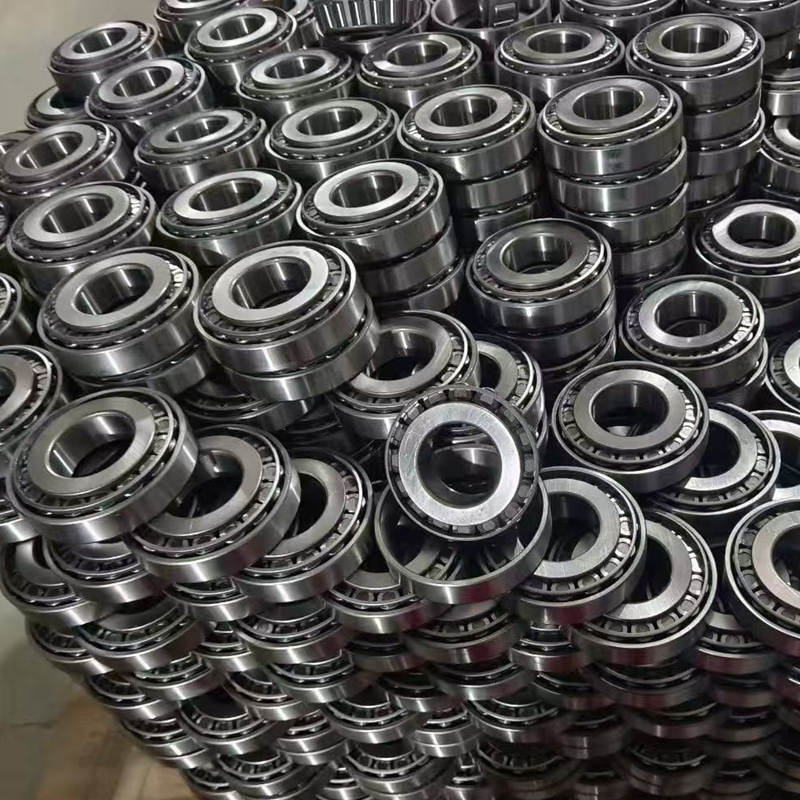
Tapered Roller Bearing Cone and Cup: Overview and Why It Matters
Tapered Roller Bearing Cone and Cup are widely used across automotive wheel hubs, gearboxes, and heavy industrial machinery because they reliably support combined loads—both radial and axial—while delivering strong service life. At the core of this bearing design is a simple two-piece arrangement: the cone and the cup. Knowing how these components mate, share load, and fail when conditions aren’t right helps you choose the correct bearing, install it properly, and avoid early damage.
Here’s a structured overview of what the cone and cup are, how they work together as a coordinated set, and what to pay attention to in real operating environments.
Understanding the “Cone” and the “Cup”
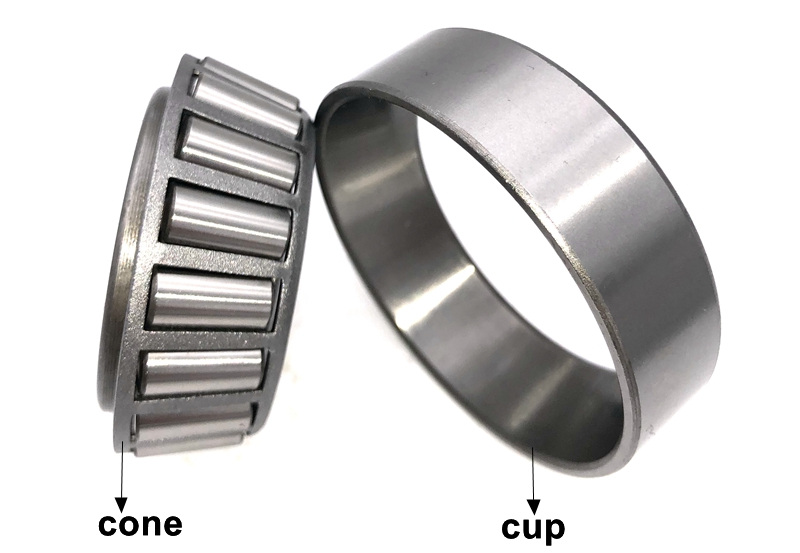
Tapered roller bearings are typically built as a separable design, which means the cone (inner assembly) and the cup (outer ring) can be handled and installed as two separate components rather than as a single, fixed unit. This construction is one of the reasons tapered roller bearings are so common in serviceable assemblies like wheel hubs and industrial housings.
What is the Cone?
The cone is the inner ring assembly, usually including:
- Inner ring (cone raceway)
- Tapered rollers
- Cage (roller retainer)
The cone mounts onto the shaft and rotates with it in most common applications.
What is the Cup?
The cup is the outer ring, sometimes called the outer race, which:
- Presses into the housing
- Provides the outer raceway surface for the rollers
Why the Shape Matters?
The “taper” geometry is the magic. The roller axes and raceways are designed so their imaginary extended lines meet at a common point on the bearing axis. In practice, that geometry helps the bearing manage:
- Radial loads (perpendicular to the shaft)
- Axial/thrust loads (along the shaft direction)
How Bearing Cone + Cup Work Together?
Cone and cup are meant to work as a single, coordinated system, not as independent parts that can be mixed at random. Even when two components look similar or share the same basic dimensions, their performance depends on how accurately their raceway angles, profiles, and tolerances complement each other.
In practice, the cone and cup are designed to:
- Share load correctly across the rollers, so contact is even rather than concentrated at an edge.
- Support the intended internal clearance or preload once installed, which directly affects heat, noise, and bearing life.
- Maintain proper alignment and running accuracy, reducing vibration and uneven wear.
Mixing unmatched components can lead to:
- Incorrect contact pattern (edge loading), which accelerates wear and spalling.
- Unstable endplay/preload, causing either looseness (vibration) or excessive friction (overheating).
- Higher noise and shorter service life, especially in high-load or high-speed applications.
For best results, use the specified cone and cup combination from the same bearing series (and matched sets where required), and verify the correct setting during installation.
Common Applications of Tapered Roller Bearing Cone and Cup:
These bearings are chosen where combined loads are expected and durability matters:
- Automotive wheel hubs and differentials
- Truck axles and trailers
- Industrial gearboxes
- Conveyors and heavy rotating equipment
- Agricultural and construction machinery
When axial load direction reverses, engineers often use pairs (back-to-back or face-to-face arrangements) to carry thrust loads in both directions.
Selection Tips: Choosing the Right Cone and Cup
Choosing the right tapered roller bearing set is more than “get the right size.”
1) Confirm load requirements
- Radial load magnitude
- Axial load magnitude and direction (one-way or reversing)
- Shock loads (common in off-highway equipment)
2) Consider speed and lubrication
- Higher speed increases heat sensitivity
- Grease vs. oil lubrication affects temperature and wear behavior
3) Check fits and tolerances
- Shaft fit affects cone mounting and creep
- Housing fit affects cup seating and stability
4) Choose quality level for the job
- Standard duty vs. premium steel/heat treatment
- Precision classes for low runout or high accuracy needs
Installation and Handling Best Practices
Tapered roller bearings are robust—but not forgiving of contamination and poor fit.
Cleanliness and inspection
- Keep cone/cup surfaces clean; even small grit can mark raceways
- Inspect cup seating surface (housing bore) for scoring or fretting
Pressing and seating
- Press the cup by its outer ring (never through rollers)
- Press the cone by its inner ring (never through rollers)
- Ensure full seating—partial seating causes misalignment and uneven load
Setting and verification
- Follow manufacturer torque/endplay guidance
- Verify endplay or preload with correct tools (dial indicator, torque-to-rotate, etc.)
Lubrication
- Use the correct grease type and fill amount (over-greasing can overheat)
- For oil systems, confirm flow rate and cleanliness level
Questions that help before the next bearing decision after Tapered Roller Bearing Cone and Cup
Which next options usually help after reviewing Tapered Roller Bearing Cone and Cup?
Most buyers benefit from one broader family destination, one more commercial route, and one supporting guide that answers the next practical question. That combination usually turns research into a clearer shortlist.
Why add related bearing destinations beside Tapered Roller Bearing Cone and Cup?
Because the first answer often leads to a second question about fit, applications, supplier choice, or repeat-order confidence. Keeping those next destinations close reduces unnecessary backtracking.
When is it worth moving from reading into a quote or product review?
That move usually makes sense once the topic has narrowed the likely bearing family and the remaining unknowns are commercial, dimensional, or application-specific rather than purely educational.
What usually makes the next bearing decision easier after Tapered Roller Bearing Cone and Cup?
The process is often easier when the wider family view, the more commercial destination, and one practical guide stay visible together. That keeps the decision grounded in both application detail and buying reality.
Buyer FAQ
Questions buyers ask before choosing the next bearing option
What is the main takeaway from Tapered Roller Bearing Cone and Cup?
The main takeaway is that tapered roller bearing cone and cup should be checked against the bearing family, dimensions, load direction, speed, and operating conditions instead of relying on the title or size alone.
When should I use this guide before requesting a quote?
Use the guide when you are comparing bearing models, checking suffix meanings, confirming seal or clearance choices, planning maintenance, or preparing details for replacement, production, or OEM sourcing.
How does this topic connect to taper roller bearings?
The topic supports the Taper Roller Bearings decision path by helping buyers understand fit, performance, specification details, or maintenance factors before choosing a product page or contacting the team.
Can this guide replace a final specification check?
No. The guide helps prepare the decision, but a final check should still confirm the part number, dimensions, load, speed, seal, clearance, precision, application, and order quantity.
What should I send if I need help after reading this guide?
Send the bearing number, measured size, photos if available, application, quantity, and any special operating conditions. That gives the team enough context to recommend the right product family or quote route.
Need help checking fit, price, or lead time? Request a bearing quote