


Ceramic Bearings Introduction
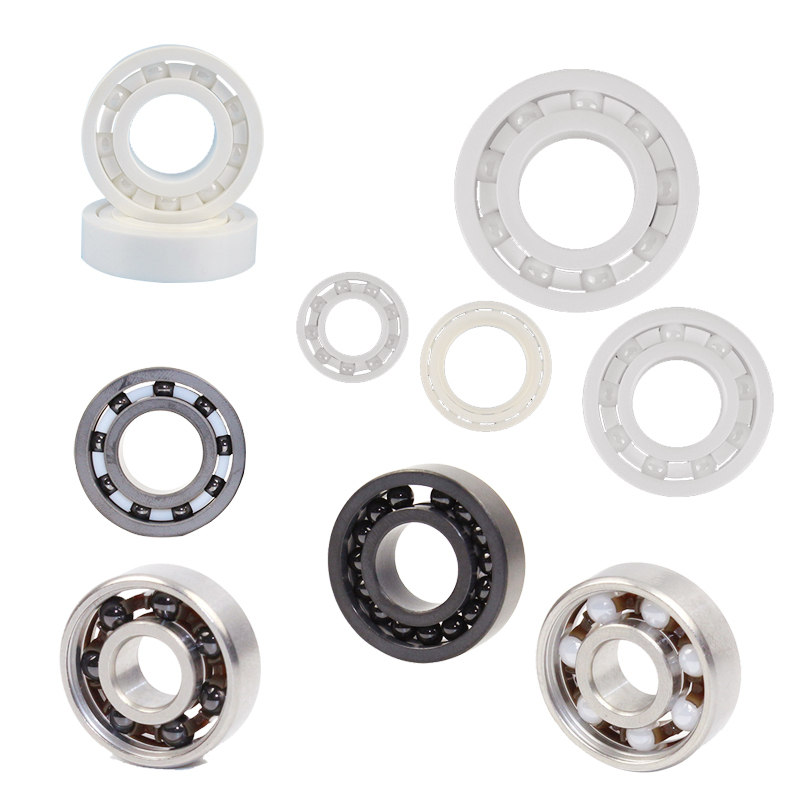
Ceramic Bearings Materials:
Ceramic bearings materials are as below,
Inner rings, outer rings and rolling material:
Zirconia (ZrO2), Silicon Nitride (Si3N4), Silicon Carbide (Sic)
Retainer material:
PTFE, Nylon 66, Polyetherimide, Zirconia, Silicon Nitride, Stainless Steel or Special Aviation Aluminum
Advantanges:
1. Ceramics are corrosion-resistant, so ceramic rolling bearings are suitable for working in harsh conditions full of corrosive media.
2. Because of the density of the ceramic rolling ball is lower than that of steel and the weight is much lighter, the centrifugal effect of the outer ring during rotation can be reduced by 40%. Therefore, ceramic bearings service life is greatly extended.
3. Ceramics are less affected by thermal expansion and contraction than steel, so when the bearing clearance is constant, ceramic bearing can work in an environment where the temperature difference changes more drastically.
4. Due to the elastic modulus of ceramics is higher than that of steel, it is not easy to deform when subjected to force, so it is beneficial to improve the working speed and achieve higher precision.
Classification of ceramic bearings according to applications:
(1) High-speed bearings:
It has the advantages of cold resistance, small force elasticity, high pressure resistance, poor thermal conductivity, light weight, and small friction coefficient.
Bearings an be used in high-speed spindles from 12000 rpm to 75000 rpm and other high-precision equipment
(2) High temperature bearing:
The material itself has a high temperature resistance of 1200 ° C and good self-lubrication. Operating temperature is between 100 °C and 800 °C without expansion due to temperature difference.
Therefore, bearings can be used in high-temperature equipment such as furnaces, plastics, and steel.
(3) Corrosion-resistant bearings:
The material itself is corrosion-resistant.
As a result, bearings can be used in strong acid, strong alkali, inorganic, organic salt, seawater and other fields, such as: electroplating equipment, electronic equipment, chemical machinery, shipbuilding, medical equipment, etc.
(4) Antimagnetic bearing:
Because ceramic is non-magnetic, it does not absorb dust, which can reduce the peeling of the bearing surface, thereby reducing bearing running noise.
So this kind bearings are suitable for demagnetization equipment, precision instruments and other fields.
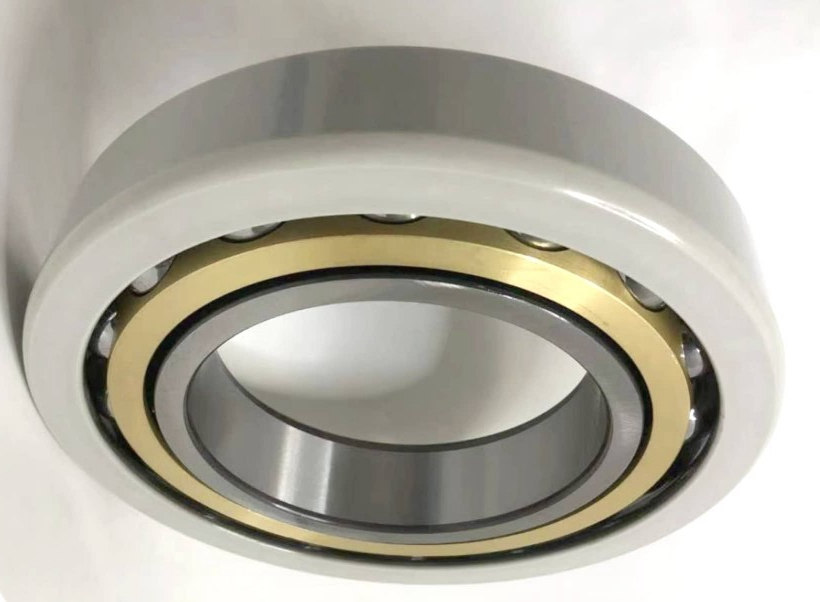
(5) Insulated bearings:
Due to high resistivity, it can avoid arc damage to bearings.
So insulated bearings (eg. 6316-2Z/C3VL0241) are proper for various power equipments which require insulation.
(6) Vacuum bearing:
Due to the unique oil-free self-lubricating properties of ceramic materials, it can overcome the problem that ordinary bearings cannot achieve lubrication in an ultra-high vacuum environment.
Questions that help before the next bearing decision after Ceramic Bearings Introduction
Which next options usually help after reviewing Ceramic Bearings Introduction?
Most buyers benefit from one broader family destination, one more commercial route, and one supporting guide that answers the next practical question. That combination usually turns research into a clearer shortlist.
Why add related bearing destinations beside Ceramic Bearings Introduction?
Because the first answer often leads to a second question about fit, applications, supplier choice, or repeat-order confidence. Keeping those next destinations close reduces unnecessary backtracking.
When is it worth moving from reading into a quote or product review?
That move usually makes sense once the topic has narrowed the likely bearing family and the remaining unknowns are commercial, dimensional, or application-specific rather than purely educational.
What usually makes the next bearing decision easier after Ceramic Bearings Introduction?
The process is often easier when the wider family view, the more commercial destination, and one practical guide stay visible together. That keeps the decision grounded in both application detail and buying reality.
Buyer FAQ
Questions buyers ask before choosing the next bearing option
What is the main takeaway from Ceramic Bearings Introduction?
The main takeaway is that ceramic bearings introduction should be checked against the bearing family, dimensions, load direction, speed, and operating conditions instead of relying on the title or size alone.
When should I use this guide before requesting a quote?
Use the guide when you are comparing bearing models, checking suffix meanings, confirming seal or clearance choices, planning maintenance, or preparing details for replacement, production, or OEM sourcing.
How does this topic connect to bearing supply?
The topic supports the Bearing Supply decision path by helping buyers understand fit, performance, specification details, or maintenance factors before choosing a product page or contacting the team.
Can this guide replace a final specification check?
No. The guide helps prepare the decision, but a final check should still confirm the part number, dimensions, load, speed, seal, clearance, precision, application, and order quantity.
What should I send if I need help after reading this guide?
Send the bearing number, measured size, photos if available, application, quantity, and any special operating conditions. That gives the team enough context to recommend the right product family or quote route.
Need help checking fit, price, or lead time? Request a bearing quote