


Bearing Clearance Selection
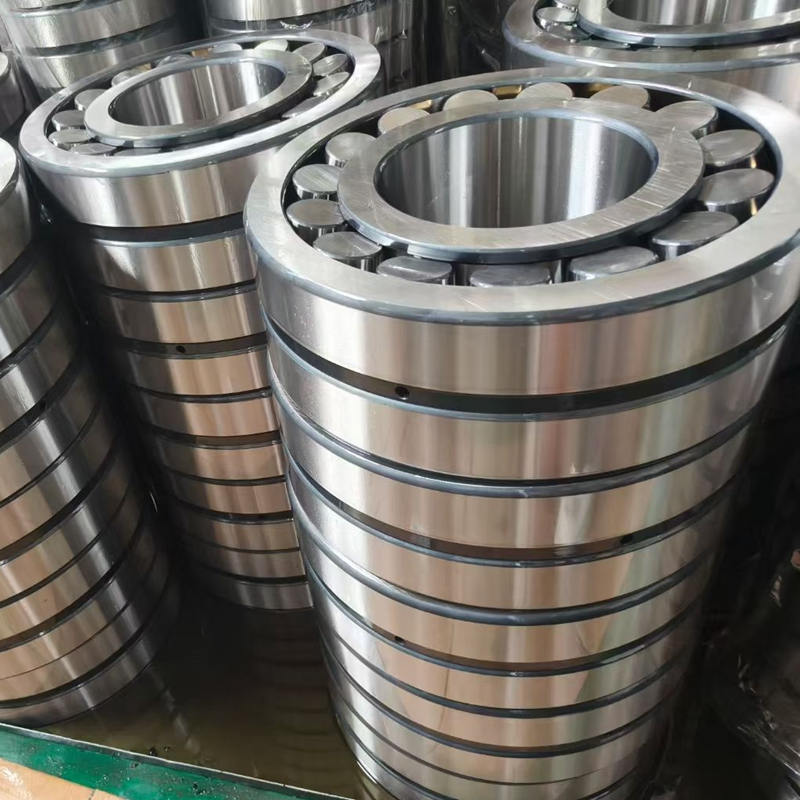
Bearing Clearance Selection: Why it matters and what this guide covers?
Bearing clearance selection may look like a small detail on a datasheet, but it often determines whether a bearing runs smoothly and quietly—or builds heat and wears out too soon. The right clearance helps balance load distribution, friction, vibration, operating temperature, and overall service life.
This section offers a practical, application-focused guide to selecting bearing internal clearance in real operating conditions, with clear references to common classes such as C2, CN (Normal), C3, and C4.
Clearance Classes Explained (C2 / CN / C3 / C4)
Different manufacturers use consistent naming, but exact microns vary by bearing size and series. The meaning stays the same:
- C2: tighter than normal (smaller clearance)
- CN / Normal: standard clearance for general conditions
- C3: greater than normal (most common “extra clearance”)
- C4: greater than C3 (used for higher temperature, higher interference, or special conditions)
Quick rule of thumb
- If mounting and temperature reduce clearance a lot, start with C3 or C4.
- If you need low noise and high precision and conditions are stable, CN or C2 may fit better.
Bearing Clearance Selection: How to Choose the Right Internal Clearance
A reliable selection process focuses on what happens after mounting.
1) Check fit type: interference vs clearance fit
Interference fits change clearance fast:
- Tight fit on the inner ring (shaft press fit) tends to reduce radial clearance because the inner ring expands.
- Tight fit on the outer ring (housing press fit) can also reduce clearance depending on housing deformation and material.
Common outcome: many motor and industrial applications choose C3 because installation reduces the initial clearance.
2) Consider operating temperature and temperature gradient
If the shaft runs hotter than the housing (very common), the inner ring expands more, which can:
- reduce clearance
- potentially create zero clearance or preload if the initial clearance is too small
High temperature or big temperature difference often pushes selection toward C3/C4.
3) Consider speed and lubrication
Higher speed tends to increase heat, and heat tends to reduce clearance. Also:
- Grease lubrication at high speed can raise temperature compared with oil systems (depending on design).
- Too little clearance at speed can cause rapid temperature rise and smearing.
4) Consider load direction and shaft expansion
Loads deform bearing rings and rolling elements. Heavy radial loads can reduce clearance in operation.
If the application includes axial loads (especially with angular contact bearings or tapered rollers), clearance and preload decisions become even more critical.
5) Consider noise/vibration requirements
If the application demands ultra-low noise (e.g., precision instruments), designers may prefer CN or C2 under controlled fits and temperatures. Too much clearance can increase:
- vibration
- running noise
- rotor movement (in electric motors)
6) Consider bearing type (not all behave the same)
- Deep groove ball bearings: very common; clearance selection strongly tied to fit and temperature.
- Cylindrical roller bearings: often used with higher loads; clearance affects stiffness and heat.
- Tapered roller bearings: commonly adjusted with endplay/preload during installation—clearance selection can look different from ball bearings.
- Angular contact bearings: often run with controlled preload; “clearance class” may not be the main control method.
Common Application Guidance (General)
Below is practical, general guidance. Always confirm with the bearing manufacturer’s recommendations for your exact size and operating condition.
| Application Scenario | Common Clearance Choice | Reason |
|---|---|---|
| General industrial use with normal fits/temps | CN | Balanced noise, life, and heat |
| Electric motors with press fit on shaft | C3 | Fit + heat reduce clearance in operation |
| Higher operating temperature or big shaft/housing temperature difference | C3 or C4 | Prevents clearance from dropping to zero |
| Very high precision / low noise under controlled conditions | CN or C2 | Reduces vibration and internal movement |
| Heavy interference fits (tight shaft and/or housing) | C3/C4 (often) | Offsets clearance loss from mounting |
Note: Choosing “more clearance” isn’t always safer. Too much clearance can reduce bearing stiffness and increase vibration.
What Happens If You Choose the Wrong Clearance?
If clearance is too small
- higher friction and heat
- risk of preload after mounting
- reduced grease life
- early failure (scuffing/smearing, cage damage)
If clearance is too large
- increased vibration and noise
- poorer running accuracy
- uneven load distribution and potential skidding in some cases
- reduced stiffness (important for motors and spindles)
Questions that help before the next bearing decision after Bearing Clearance Selection
Which next options usually help after reviewing Bearing Clearance Selection?
Most buyers benefit from one broader family destination, one more commercial route, and one supporting guide that answers the next practical question. That combination usually turns research into a clearer shortlist.
Why add related bearing destinations beside Bearing Clearance Selection?
Because the first answer often leads to a second question about fit, applications, supplier choice, or repeat-order confidence. Keeping those next destinations close reduces unnecessary backtracking.
When is it worth moving from reading into a quote or product review?
That move usually makes sense once the topic has narrowed the likely bearing family and the remaining unknowns are commercial, dimensional, or application-specific rather than purely educational.
What usually makes the next bearing decision easier after Bearing Clearance Selection?
The process is often easier when the wider family view, the more commercial destination, and one practical guide stay visible together. That keeps the decision grounded in both application detail and buying reality.
Buyer FAQ
Questions buyers ask before choosing the next bearing option
What is the main takeaway from Bearing Clearance Selection?
The main takeaway is that bearing clearance selection should be checked against the bearing family, dimensions, load direction, speed, and operating conditions instead of relying on the title or size alone.
When should I use this guide before requesting a quote?
Use the guide when you are comparing bearing models, checking suffix meanings, confirming seal or clearance choices, planning maintenance, or preparing details for replacement, production, or OEM sourcing.
How does this topic connect to bearing supply?
The topic supports the Bearing Supply decision path by helping buyers understand fit, performance, specification details, or maintenance factors before choosing a product page or contacting the team.
Can this guide replace a final specification check?
No. The guide helps prepare the decision, but a final check should still confirm the part number, dimensions, load, speed, seal, clearance, precision, application, and order quantity.
What should I send if I need help after reading this guide?
Send the bearing number, measured size, photos if available, application, quantity, and any special operating conditions. That gives the team enough context to recommend the right product family or quote route.
Need help checking fit, price, or lead time? Request a bearing quote