


Should Bearings Be Greased or Oiled
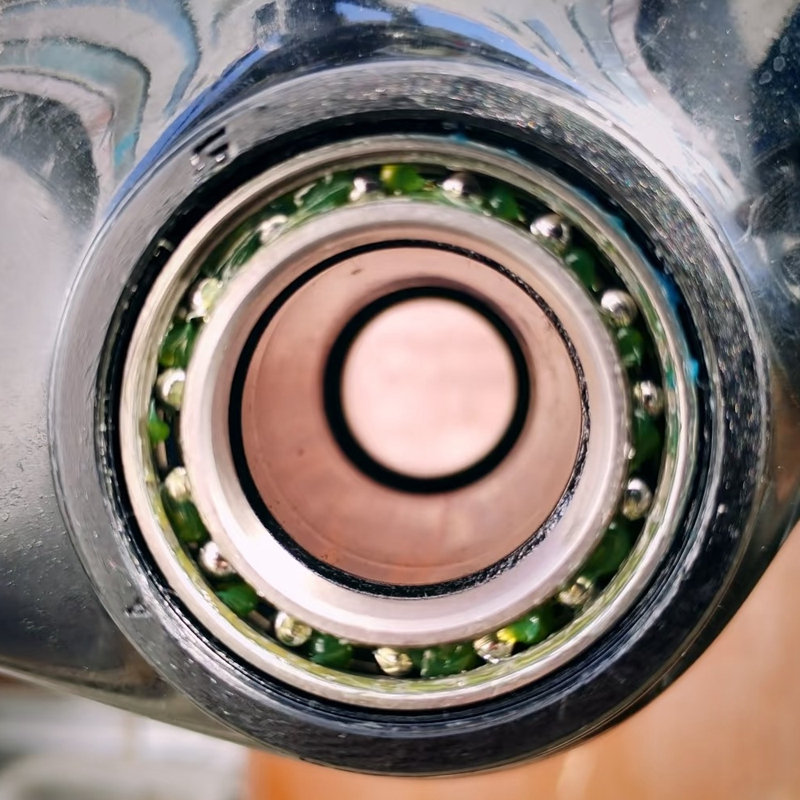
Shoudl Bearings Be Greased or Oiled – Introduction
Should bearings be greased or oiled? This is a common question faced by engineers, maintenance professionals, and equipment owners alike. The choice of lubricant plays a crucial role in ensuring the reliable performance and longevity of bearings.
Proper lubrication not only reduces friction and prevents overheating, but also protects against wear and corrosion. Without the right lubricant, bearings are prone to premature failure, which can result in costly downtime and unexpected repairs. In this post, we’ll explore the key differences between grease and oil, and provide guidance on how to select the best option for your specific application.
Understanding Bearing Lubrication
Lubrication plays a vital role in bearing performance. It forms a protective film between moving parts, reducing direct metal-to-metal contact.
Basic Functions of Lubricants:
- Reducing Friction: Minimizes resistance between bearing surfaces, allowing smooth rotation.
- Protecting Against Corrosion: Shields metal components from moisture and contaminants.
- Dissipating Heat: Helps carry away heat generated by operation.
- Protects Against Contaminants and Corrosion: Blocks foreign materials and prevents rust by covering surfaces.
- Extends Bearing Life: Forms an oil film that prolongs rolling fatigue life.
Types of Bearing Lubricants
Grease
- What is Grease?
Grease is a semi-solid lubricant composed of oil, thickener, and additives. It stays in place and provides long-lasting lubrication. - Common Applications:
Used in electric motors, automotive wheel bearings, industrial machinery, and environments where relubrication is infrequent. - Pros:
- Stays in place, even under vibration or vertical shafts
- Provides sealing against contaminants
- Requires less frequent maintenance
- Cons:
- Can cause higher friction at very high speeds
- May not dissipate heat as effectively as oil
- Can be difficult to remove and replace
Oil
- What is Oil?
Oil is a liquid lubricant that flows freely and is often circulated through the bearing system. - Common Applications:
Used in high-speed machinery, precision instruments, gearboxes, and applications requiring rapid heat dissipation. - Pros:
- Excellent for high-speed and high-temperature environments
- Better heat dissipation
- Easier to change and filter
- Cons:
- May leak out of the bearing housing
- Requires more frequent monitoring and maintenance
- Provides less protection against contaminants
Factors to Consider When Choosing Grease or Oil
1. Operating Speed:
Use oil for high-speed bearings to achieve better cooling and lower friction. For low to moderate speeds, grease works well and provides sufficient lubrication.
2. Load and Application Type:
Choose grease for applications with heavy or shock loads because it cushions and protects the bearing. Opt for oil in light-load or precision applications where smooth, consistent lubrication is critical.
3. Temperature Range:
Select oil when operating at high temperatures, as it dissipates heat more effectively. Grease performs best at moderate temperatures and serves as a barrier against contaminants.
4. Maintenance Requirements:
Grease reduces the frequency of lubrication maintenance but can complicate replacement. Oil systems require more frequent checks, but you can change the lubricant more easily.
5. Environmental Conditions:
Rely on grease to protect bearings from dust, moisture, and other contaminants, making it ideal for harsh environments. Use oil in clean, controlled settings where contamination is less of a concern.
Characteristics of Grease Lubrication VS Oil Lubrication:
| Concern | Method | |
| Grease Lubrication | Oil Lubrication | |
| Handling | ◎ | △ |
| Reliability | ○ | ◎ |
| Cooling effect | x | ○ |
| Seal structure | ○ | △ |
| Power loss | ○ | ○ |
| Environmental impurity | ○ | △ |
| High speed rotation | x | ○ |
| ◎: very good ○ : Good △ : Fair x: poor | ||
Common Mistakes and Best Practices
Proper lubrication is vital for bearing performance, but it’s easy to make mistakes that can lead to premature failure or inefficient operation. Below are some common pitfalls and recommended best practices:
Over-greasing or Under-oiling
Applying too much grease can cause excess heat buildup, leakage, and increased rolling resistance, while insufficient oiling may result in inadequate lubrication, leading to metal-to-metal contact, wear, and overheating. Always follow manufacturer guidelines for lubricant quantity and reapplication intervals to maintain optimal bearing conditions.
For optimal performance, normally bearings should typically be filled with lubricant to about 25–35% of their internal space. The bearing housing, on the other hand, should be filled to approximately 30–60% of its capacity.
Mixing Lubricants
Combining different types or brands of lubricants can lead to chemical incompatibility, reduced effectiveness, and even bearing damage. Always use the recommended lubricant for your specific bearing type and avoid mixing unless compatibility has been confirmed by the manufacturer.
Regular Maintenance Tips
1. Inspect lubricant levels, cleanliness, and bearing condition on a regular schedule.
2. Handle lubricants with clean tools and containers to avoid contamination.
3. Watch for signs of lubricant breakdown, including discoloration, unusual noise, or higher operating temperatures.
4. Replace lubricants at the recommended intervals and seal the bearing housing properly to keep out dirt and moisture.
By avoiding these common mistakes and adhering to best practices, you can significantly extend the lifespan of your bearings and ensure reliable operation.
Questions that usually come up after Should Bearings Be Greased or Oiled
Which next options usually help after reviewing Should Bearings Be Greased or Oiled?
Most buyers benefit from one broader family destination, one more commercial route, and one supporting guide that answers the next practical question. That combination usually turns research into a clearer shortlist.
Why add related bearing destinations beside Should Bearings Be Greased or Oiled?
Because the first answer often leads to a second question about fit, applications, supplier choice, or repeat-order confidence. Keeping those next destinations close reduces unnecessary backtracking.
When is it worth moving from reading into a quote or product review?
That move usually makes sense once the topic has narrowed the likely bearing family and the remaining unknowns are commercial, dimensional, or application-specific rather than purely educational.
What usually makes the next bearing decision easier after Should Bearings Be Greased or Oiled?
The process is often easier when the wider family view, the more commercial destination, and one practical guide stay visible together. That keeps the decision grounded in both application detail and buying reality.
Buyer FAQ
Questions buyers ask before choosing the next bearing option
What is the main takeaway from Should Bearings Be Greased or Oiled?
The main takeaway is that should bearings be greased or oiled should be checked against the bearing family, dimensions, load direction, speed, and operating conditions instead of relying on the title or size alone.
When should I use this guide before requesting a quote?
Use the guide when you are comparing bearing models, checking suffix meanings, confirming seal or clearance choices, planning maintenance, or preparing details for replacement, production, or OEM sourcing.
How does this topic connect to bearing supply?
The topic supports the Bearing Supply decision path by helping buyers understand fit, performance, specification details, or maintenance factors before choosing a product page or contacting the team.
Can this guide replace a final specification check?
No. The guide helps prepare the decision, but a final check should still confirm the part number, dimensions, load, speed, seal, clearance, precision, application, and order quantity.
What should I send if I need help after reading this guide?
Send the bearing number, measured size, photos if available, application, quantity, and any special operating conditions. That gives the team enough context to recommend the right product family or quote route.
Need help checking fit, price, or lead time? Request a bearing quote