


How To Tell Whether The Bearing Can Be Used
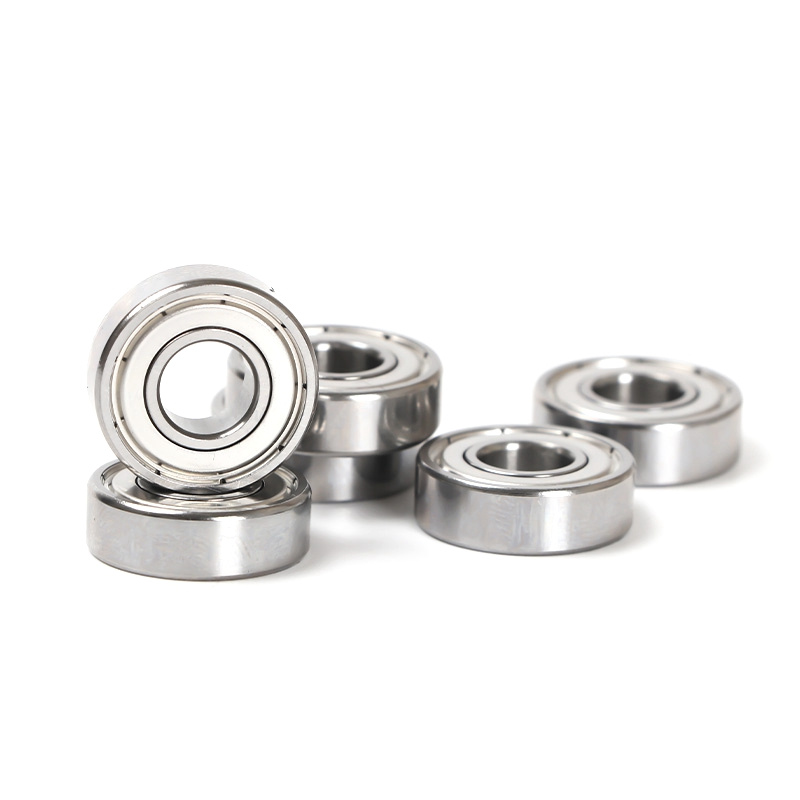
How To Tell Whether The Bearing Can Be Used
To tell whether the bearing can be used, in order to make a decision, it is necessary to consider the bearing damage degree, machine performance, importance, operating conditions, inspection cycle, etc.
Firstly, investigate and record the dismantled bearings and their appearance.
In order to find out and investigate the remaining amount of lubricant, after sampling, clean the bearing thoroughly.
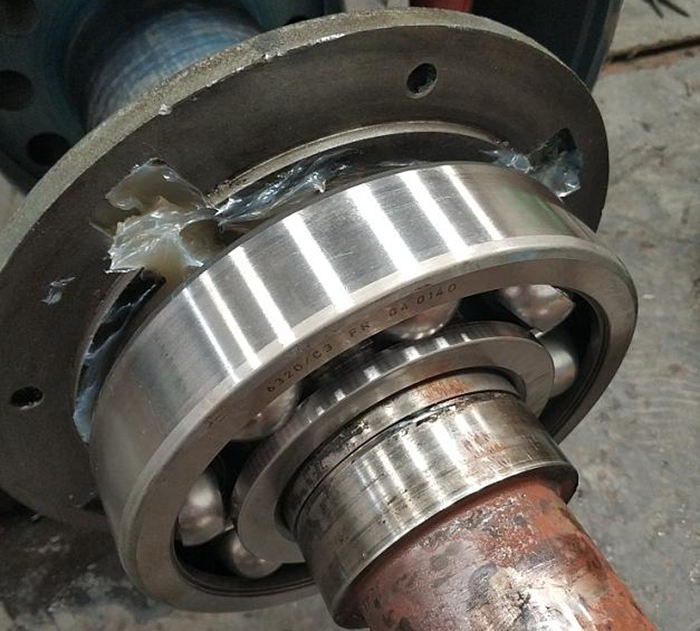
Secondly, check the raceway surface, the condition of the rolling surface and the mating surface, and the wear state of the cage for damage and abnormalities.
If the inspection results have the following defects, the bearing can not be used, and we need to replace a new bearing.
a. There are cracks and fragments in any of the inner and outer rings, rolling elements, and cages
b. There is peeling of any one of the inner and outer rings and rolling elements
c. There are significant jams on the raceway surface, ribs, and rolling elements
d. The cage is severely worn or the rivets are severely loosened
e. The raceway surface and rolling elements are rusty and scratched
f. There are significant indentations and marks on the rolling surface and rolling elements
g. There is creep on the inner diameter surface of the inner ring or the outer diameter of the outer ring
h. Discoloration is severe due to overheating
i. The seal ring and dust cover of the grease-sealed bearing are seriously damaged
Inspection and Troubleshooting During Bearing Operation
The inspection items during bearing operation include the rolling sound, vibration, temperature, lubrication state of the bearing, etc.
The details are as follows:
1. The rolling sound of the bearing
A sound meter is used to check sound quality of the rolling sound of the bearing in operation.
Even if the bearing is slightly peeled off, there will be abnormal and irregular sounds, which can be distinguished by a sound detector.
2. Bearing vibration
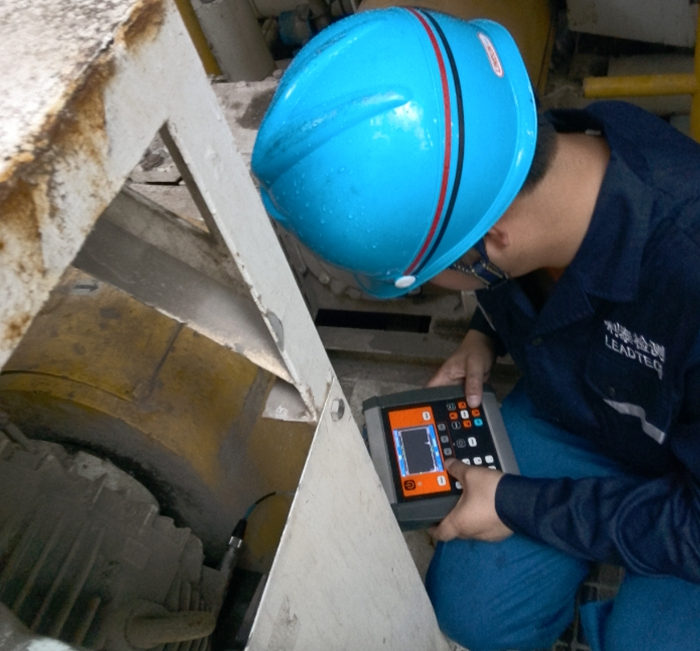
Bearing vibration is very sensitive to bearing damage, such as peeling, indentation, corrosion, cracks, wear, etc., will be reflected in the bearing vibration measurement. Therefore, the magnitude of vibration can be measured by using a special bearing vibration measuring device (frequency analyzer, etc.).
3. Bearing temperature
Generally, the temperature of the bearing slowly rises as it starts to run, and reaches a steady state after 1-2 hours. The normal temperature of the bearing varies with the heat capacity, heat dissipation, speed and load of the machine. If the lubrication and installation are improper, the bearing temperature will rise sharply and abnormally high temperature will occur. At this time, we must stop the operation and take necessary precautions.
Using thermal sensors can monitor the working temperature of bearings at any time, and automatically alarm when the temperature exceeds the specified value.
Contact Us:
If you have any questions of How To Tell Whether The Bearing Can Be Used, please feel free to contact us. We will give you reply within 12 hours!
Questions buyers still ask while reviewing How To Tell Whether The Bearing Can Be Used
Which next options usually help after reviewing How To Tell Whether The Bearing Can Be Used?
Most buyers benefit from one broader family destination, one more commercial route, and one supporting guide that answers the next practical question. That combination usually turns research into a clearer shortlist.
Why add related bearing destinations beside How To Tell Whether The Bearing Can Be Used?
Because the first answer often leads to a second question about fit, applications, supplier choice, or repeat-order confidence. Keeping those next destinations close reduces unnecessary backtracking.
When is it worth moving from reading into a quote or product review?
That move usually makes sense once the topic has narrowed the likely bearing family and the remaining unknowns are commercial, dimensional, or application-specific rather than purely educational.
What usually makes the next bearing decision easier after How To Tell Whether The Bearing Can Be Used?
The process is often easier when the wider family view, the more commercial destination, and one practical guide stay visible together. That keeps the decision grounded in both application detail and buying reality.
Buyer FAQ
Questions buyers ask before choosing the next bearing option
What is the main takeaway from How To Tell Whether The Bearing Can Be Used?
The main takeaway is that how to tell whether the bearing can be used should be checked against the bearing family, dimensions, load direction, speed, and operating conditions instead of relying on the title or size alone.
When should I use this guide before requesting a quote?
Use the guide when you are comparing bearing models, checking suffix meanings, confirming seal or clearance choices, planning maintenance, or preparing details for replacement, production, or OEM sourcing.
How does this topic connect to bearing supply?
The topic supports the Bearing Supply decision path by helping buyers understand fit, performance, specification details, or maintenance factors before choosing a product page or contacting the team.
Can this guide replace a final specification check?
No. The guide helps prepare the decision, but a final check should still confirm the part number, dimensions, load, speed, seal, clearance, precision, application, and order quantity.
What should I send if I need help after reading this guide?
Send the bearing number, measured size, photos if available, application, quantity, and any special operating conditions. That gives the team enough context to recommend the right product family or quote route.
Need help checking fit, price, or lead time? Request a bearing quote