


Insocoat Bearing
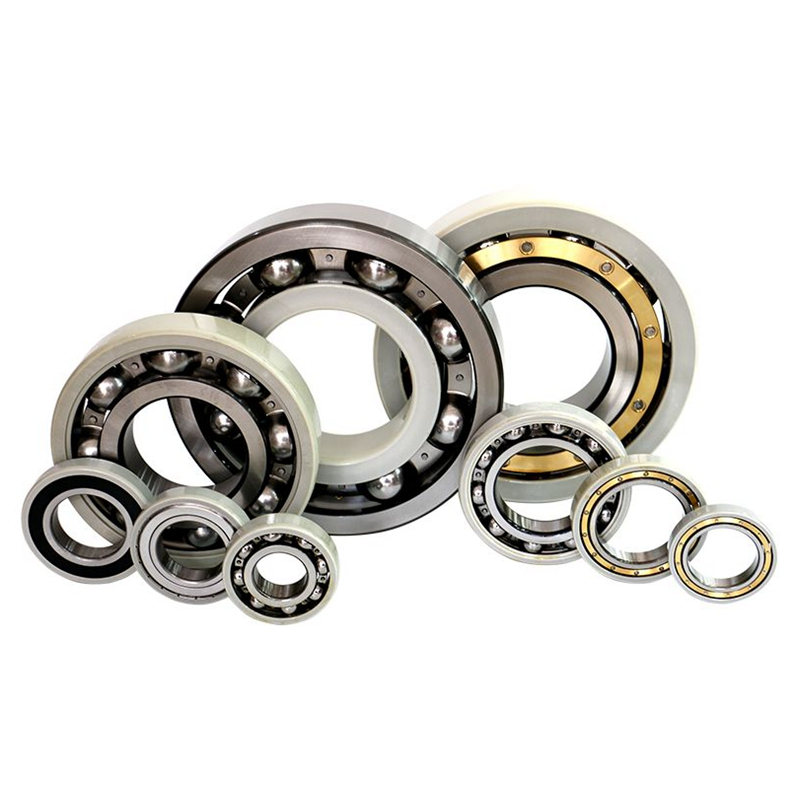
Insocoat Bearing Introduction:
Insocoat bearing, which is also known as electrically insulated bearing is designed to prevent electric current from passing through the bearing.
The external surfaces of either their inner or outer ring are coated with an insulating aluminium oxide layer, which can withstand voltages up to 3000 V DC.
The solutions are very cost-effective compared with other insulation methods.
A special spraying process creates a coating of uniform thickness and extremely strong adhesion, which is further treated to make it impervious to moisture and humidity.
Features and Benefits:
Protection against electrical erosion
With insulating properties integrated into the bearing, INSOCOAT bearings can improve reliability and increase machine uptime by virtually eliminating the problem of electrical erosion.
High electrical resistance
The aluminium oxide coating provides a minimum electrical resistance of 200 MΩ and can withstand voltages up to 3000 V DC.
Consistent electrical performance
Plasma-spray coatings are normally hygroscopic and, therefore, vulnerable to penetration caused by condensation.
To protect against this effect, INSOCOAT bearings are treated with a unique sealant.
Increases machine uptime
Reduce maintenance costs
Common Suffixes for Insocoat Bearings
VL0241: Aluminium oxide coated external surfaces of outer ring, Electrical resistance: min. 50 MW, breakdown voltage: max. operating voltage 1 000 V DC (for example: 6316-2Z/C3VL0241)
VL0246: Aluminium oxide coated external surfaces of outer ring, Electrical resistance: > 150 MW, breakdown voltage: max. operating voltage 3 000 V DC
VL2071: Aluminium oxide coated external surfaces of inner ring, Electrical resistance: min. 50 MW, breakdown voltage: max. operating voltage 1 000 V DC. (for example: 6324/C3VL2071)
VL2074: Electrical resistance: > 150 MW, breakdown voltage: max. operating voltage 2 000 V DC.
VL2076: Aluminium oxide coated external surfaces of inner ring. Electrical Resistance: Min. 150MΩ, Breakdown Voltage: Max. Operating Voltage 3.000v DC
J20C: Inner ring that is insulated with thin ceramic coating
J20AA: Outer ring coating which consists of oxide ceramic, it is applied by plasma spraying and then sealed with synthetic resin. Speciality humid environments
J20B: Outer ring with ceramic coating, process as VL-Template (Voltage 500VDC)
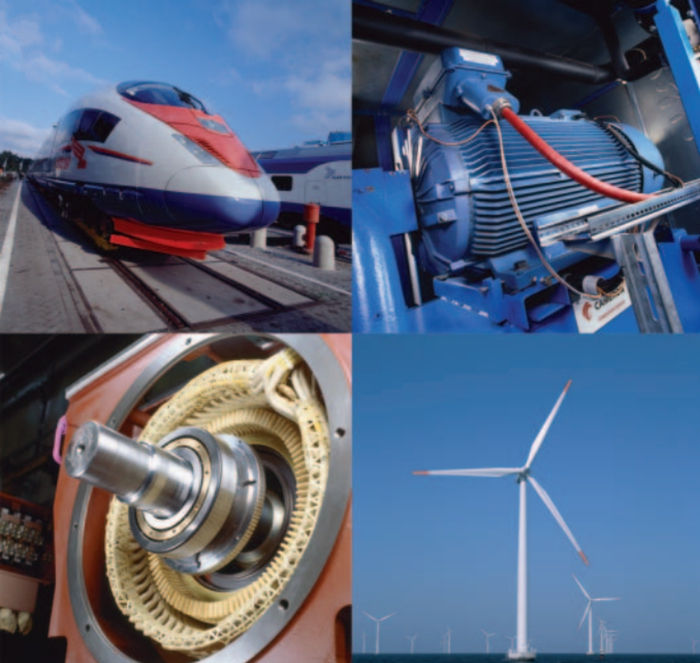
Applications:
Insocoat bearings are widely used in below fields,
Railways
Electric motors and generators
Power transmission
Wind energy
Construction
Industrial pumps
Contact Us:
If you have any questions of Insocoat Bearing, pls feel free to contact us, we will give you reply within 12 hours!
Questions that help before the next bearing decision after Insocoat Bearing
Which next options usually help after reviewing Insocoat Bearing?
Most buyers benefit from one broader family destination, one more commercial route, and one supporting guide that answers the next practical question. That combination usually turns research into a clearer shortlist.
Why add related bearing destinations beside Insocoat Bearing?
Because the first answer often leads to a second question about fit, applications, supplier choice, or repeat-order confidence. Keeping those next destinations close reduces unnecessary backtracking.
When is it worth moving from reading into a quote or product review?
That move usually makes sense once the topic has narrowed the likely bearing family and the remaining unknowns are commercial, dimensional, or application-specific rather than purely educational.
What usually makes the next bearing decision easier after Insocoat Bearing?
The process is often easier when the wider family view, the more commercial destination, and one practical guide stay visible together. That keeps the decision grounded in both application detail and buying reality.
Buyer FAQ
Questions buyers ask before choosing the next bearing option
What is the main takeaway from Insocoat Bearing?
The main takeaway is that insocoat bearing should be checked against the bearing family, dimensions, load direction, speed, and operating conditions instead of relying on the title or size alone.
When should I use this guide before requesting a quote?
Use the guide when you are comparing bearing models, checking suffix meanings, confirming seal or clearance choices, planning maintenance, or preparing details for replacement, production, or OEM sourcing.
How does this topic connect to bearing supply?
The topic supports the Bearing Supply decision path by helping buyers understand fit, performance, specification details, or maintenance factors before choosing a product page or contacting the team.
Can this guide replace a final specification check?
No. The guide helps prepare the decision, but a final check should still confirm the part number, dimensions, load, speed, seal, clearance, precision, application, and order quantity.
What should I send if I need help after reading this guide?
Send the bearing number, measured size, photos if available, application, quantity, and any special operating conditions. That gives the team enough context to recommend the right product family or quote route.
Need help checking fit, price, or lead time? Request a bearing quote