


Blog
Bearing Friction: What Matters Most
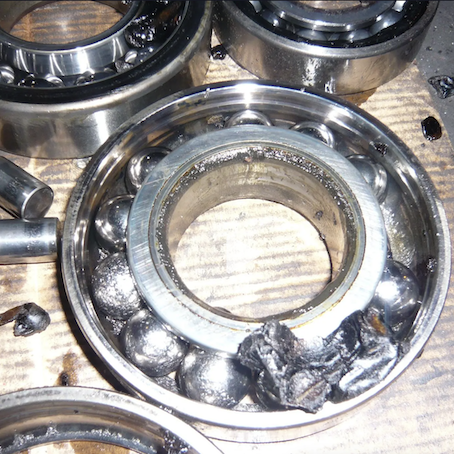
Introduction:
Bearings are essential components in mechanical engineering. They help ensure that machines run smoothly and efficiently. The friction coefficient is a key measure of bearing performance since it directly affects energy use, temperature, lifespan, and reliability. This article explores the main factors that influence bearing friction. It aims to provide engineers with valuable insights.
Factors Affecting Bearing Friction Coefficient:
Bearing friction is affected by a variety of interconnected factors, including bearing design, material selection, lubrication, load conditions, rotational speed, and so on. We will explore each of these factors in detail.
1. Structure and Design
The structure and design of a bearing are fundamental to its friction coefficient. Different types, such as deep groove ball bearings, self-aligning ball bearings, and tapered roller bearings, have unique internal structures. These differences greatly affect friction. Key design factors include the arrangement of rolling elements, the contact geometry between the rolling elements and raceways, and the stability of the cage. All of these directly impact the bearing’s friction characteristics.
2. Bearing Materials
The choice of bearing material is key to bearing performance. Using the right materials for the bearing and rolling elements can change the friction coefficient. Hard, wear-resistant materials reduce surface friction and wear. Heat treatment also affects hardness and toughness, which in turn impacts friction.
3. Lubrication Conditions
Lubrication is an effective way to lower the friction coefficient. A lubricant film between rolling elements and raceways reduces direct contact and friction. The type and viscosity of lubricants, such as grease or oil, and the lubrication method—like oil bath, spray, or circulation—should match the application and working conditions.
4. Load Conditions
The friction coefficient changes under different loads. Static and dynamic loads affect stress distribution and contact inside the bearing. These changes impact friction. It’s important to consider expected loads during design to keep friction low in all conditions.
5. Rotational Speed
Speed is a dynamic factor for friction. At moderate speeds, higher speed increases the lubricant film thickness and lowers friction. However, very high speeds can destabilize the film and overheat the lubricant, raising friction instead.
6. Operating Temperature
Temperature strongly affects friction. High temperatures can lower lubricant viscosity and reduce lubrication, increasing friction. Heat can also change material properties, like causing thermal expansion, which alters contact and friction.
7. Environmental Factors
The working environment also matters. Humidity, pollution, and chemicals can all affect friction. Contaminants can stick to surfaces and increase friction. Corrosive substances may damage materials and change friction behavior. Material and design choices should consider the environment.
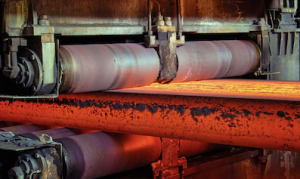
Bearings in High-Temperature Operating Environments
8. Manufacturing and Machining Accuracy
Precision in manufacturing directly impacts friction. High-precision machining ensures smoother surfaces and less micro-level friction. Controlling errors in size, shape, and position is essential for good bearing performance.
9. Installation and Alignment
Proper installation and alignment are critical. Poor installation can cause uneven loads and increase local friction, leading to early wear or failure. Accurate installation helps ensure correct alignment and load distribution.
10. Aging and Wear
Over time, bearings age and wear. This changes contact conditions and increases friction. Regular maintenance and inspection help monitor aging and wear, which is vital for reducing bearing friction and extending bearing life.
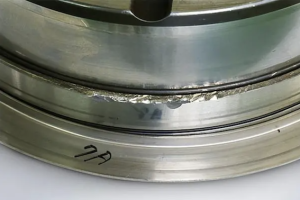
aging and wear
Optimizing Bearing Friction for Long-Term Performance:
In summary, bearing friction is influenced by many interconnected factors, from material selection and lubrication to operating conditions and maintenance. By carefully considering these aspects during design, installation, and operation, it is possible to minimize friction and maximize bearing performance. Ongoing monitoring and proper maintenance are also essential to ensure long-term reliability and efficiency. Ultimately, understanding what matters most in bearing friction helps engineers create solutions that enhance equipment lifespan and reduce operational costs.
Questions that usually come up after Bearing Friction: What Matters Most
Which next options usually help after reviewing Bearing Friction: What Matters Most?
Most buyers benefit from one broader family destination, one more commercial route, and one supporting guide that answers the next practical question. That combination usually turns research into a clearer shortlist.
Why add related bearing destinations beside Bearing Friction: What Matters Most?
Because the first answer often leads to a second question about fit, applications, supplier choice, or repeat-order confidence. Keeping those next destinations close reduces unnecessary backtracking.
When is it worth moving from reading into a quote or product review?
That move usually makes sense once the topic has narrowed the likely bearing family and the remaining unknowns are commercial, dimensional, or application-specific rather than purely educational.
What usually makes the next bearing decision easier after Bearing Friction: What Matters Most?
The process is often easier when the wider family view, the more commercial destination, and one practical guide stay visible together. That keeps the decision grounded in both application detail and buying reality.
Buyer FAQ
Questions buyers ask before choosing the next bearing option
What is the main takeaway from Bearing Friction: What Matters Most?
The main takeaway is that bearing friction: what matters most should be checked against the bearing family, dimensions, load direction, speed, and operating conditions instead of relying on the title or size alone.
When should I use this guide before requesting a quote?
Use the guide when you are comparing bearing models, checking suffix meanings, confirming seal or clearance choices, planning maintenance, or preparing details for replacement, production, or OEM sourcing.
How does this topic connect to bearing supply?
The topic supports the Bearing Supply decision path by helping buyers understand fit, performance, specification details, or maintenance factors before choosing a product page or contacting the team.
Can this guide replace a final specification check?
No. The guide helps prepare the decision, but a final check should still confirm the part number, dimensions, load, speed, seal, clearance, precision, application, and order quantity.
What should I send if I need help after reading this guide?
Send the bearing number, measured size, photos if available, application, quantity, and any special operating conditions. That gives the team enough context to recommend the right product family or quote route.
Need help checking fit, price, or lead time? Request a bearing quote