


ZZ vs 2RS Bearings: How to Choose the Right Sealed Bearing
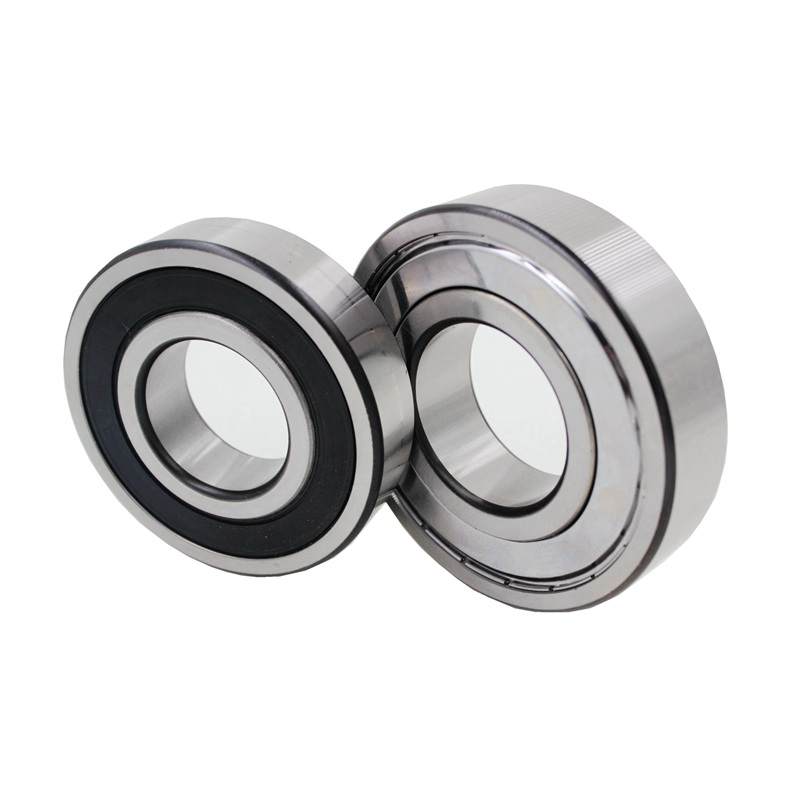
ZZ vs 2RS Bearings:
ZZ vs 2RS Bearings. When customers choose deep groove ball bearings, one small suffix often causes confusion: ZZ or 2RS.
For example, 6207ZZ and 6207-2RS usually have the same basic dimensions. They may look similar at first glance, but they do not perform the same way in real working conditions. The wrong seal type can affect speed, friction, temperature, noise, and service life.
Here is a practical guide to help you choose between ZZ bearings and 2RS bearings.
What Does ZZ Mean on a Bearing?
ZZ means the bearing has metal shields on both sides.
These metal shields help keep dust and larger particles away from the rolling elements. They also help retain grease inside the bearing.
The key point is that metal shields usually do not contact the inner ring directly. Because of this design, ZZ bearings run with lower friction and support higher speeds compared with rubber-sealed bearings.
Main Features of ZZ Bearings:
- Lower friction
- Higher speed capability
- Lower running temperature
- Good dust protection
- Limited protection against water and moisture
- Suitable for cleaner working environments
Common Applications for ZZ Bearings
ZZ bearings often work well in:
- Electric motors
- Fans
- Office equipment
- Small machinery
- Gear drives
- Dry and clean indoor equipment
If your application runs at a higher speed and does not face heavy dust, water, or dirt, ZZ is often a good choice.
What Does 2RS Mean on a Bearing?
2RS means the bearing has rubber seals on both sides.
Rubber seals give better protection against dust, moisture, dirt, and other contaminants. They also help keep the grease inside the bearing for a longer time.
Compared with ZZ bearings, 2RS bearings usually create more friction because the rubber seal may contact or nearly contact the inner ring. This extra contact improves sealing, but it can reduce speed capability and slightly increase running temperature.
Main Features of 2RS Bearings
- Better sealing performance
- Stronger dust protection
- Better resistance to moisture
- Better grease retention
- Higher friction than ZZ
- Lower maximum speed than ZZ in many cases
- Better for harsh working conditions
Common Applications for 2RS Bearings
2RS bearings usually work better in:
- Agricultural machinery
- Construction equipment
- Conveyor systems
- Food machinery
- Outdoor equipment
- Washing or cleaning equipment
- Dusty, wet, or dirty environments
If your equipment faces water, dust, mud, or oil contamination, 2RS is usually the safer option.
ZZ vs 2RS Bearings: Main Differences:
Here is a simple comparison:
| Item | ZZ Bearing | 2RS Bearing |
|---|---|---|
| Seal type | Metal shields | Rubber seals |
| Dust protection | Good | Better |
| Water/moisture protection | Limited | Better |
| Friction | Lower | Higher |
| Speed | Higher | Lower |
| Temperature | Lower | Slightly higher |
| Best environment | Clean and dry | Dusty, wet, or dirty |
| Main advantage | High speed and low friction | Strong sealing and better protection |
In short: Choose ZZ for speed and low friction. Choose 2RS for stronger sealing and better protection.
Common Mistake: Treating ZZ and 2RS as the Same
Many people call both ZZ and 2RS “sealed bearings,” but they are not the same.
ZZ mainly works as a dust shield.
2RS works more like a real seal.
If you only need protection from light dust, ZZ may be enough. But if your application needs protection from moisture, fine dust, mud, or oil, 2RS is usually a better choice.
Also, different brands may use different seal designs, grease types, clearances, and speed ratings. So before placing an order, it is always better to confirm the actual working conditions.